Bell Tower
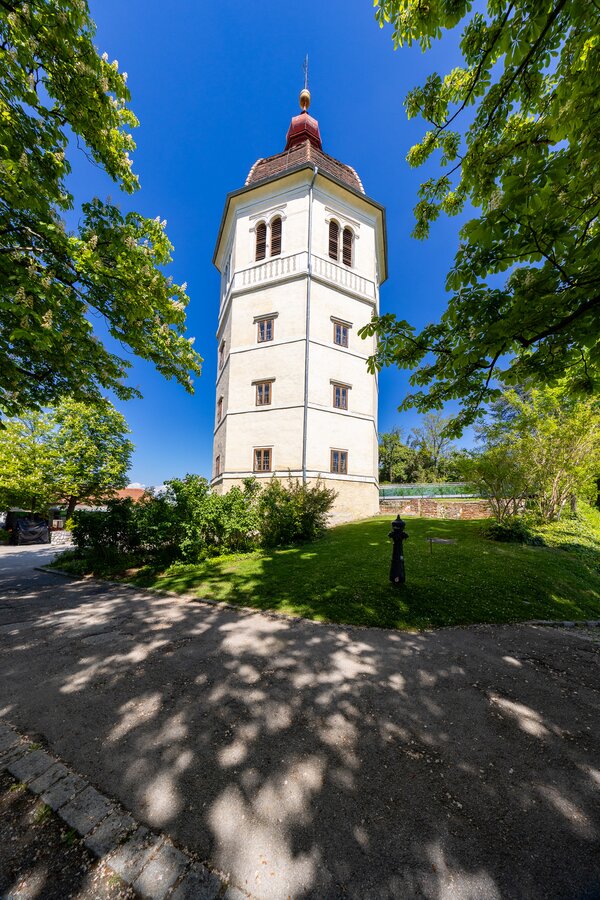
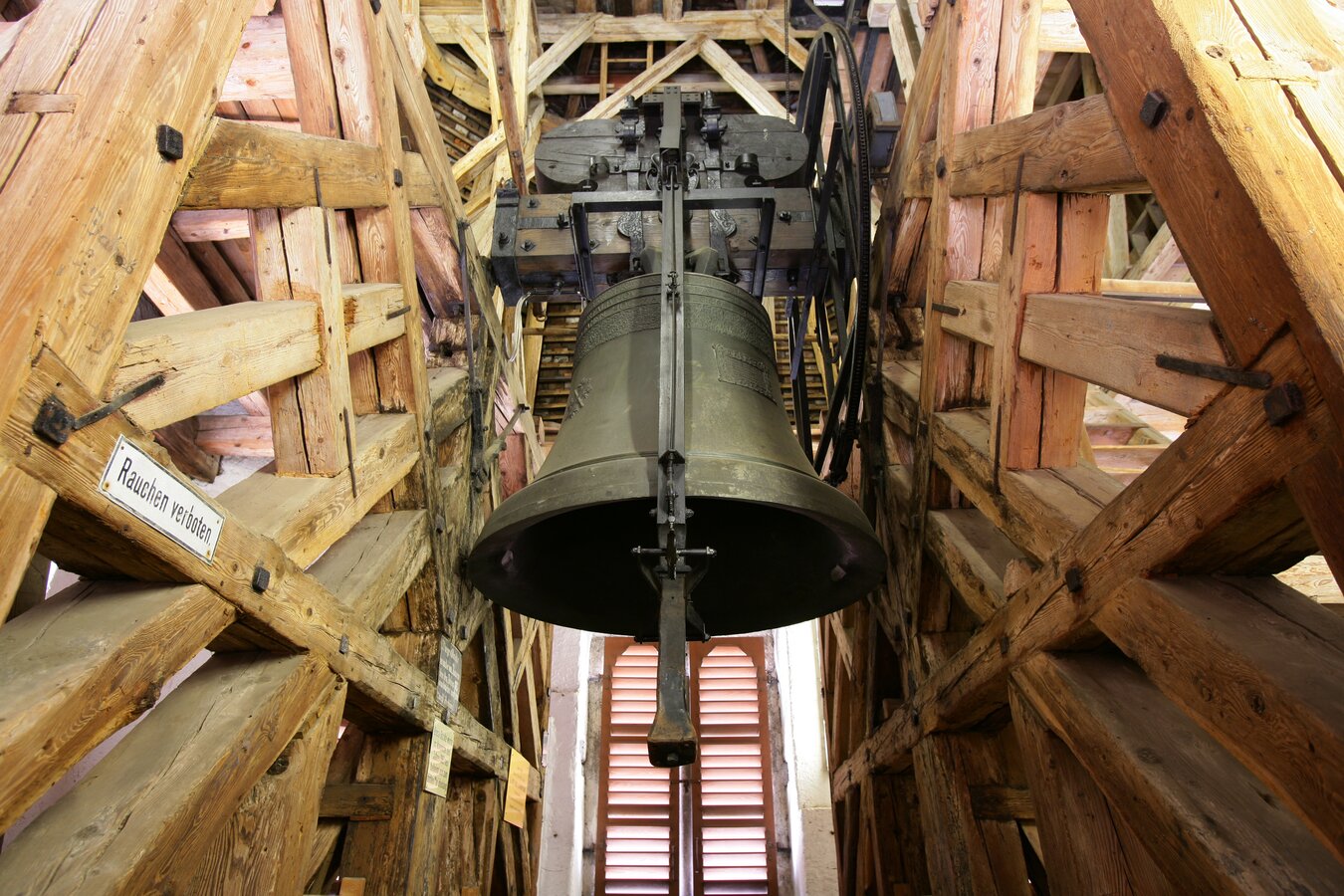
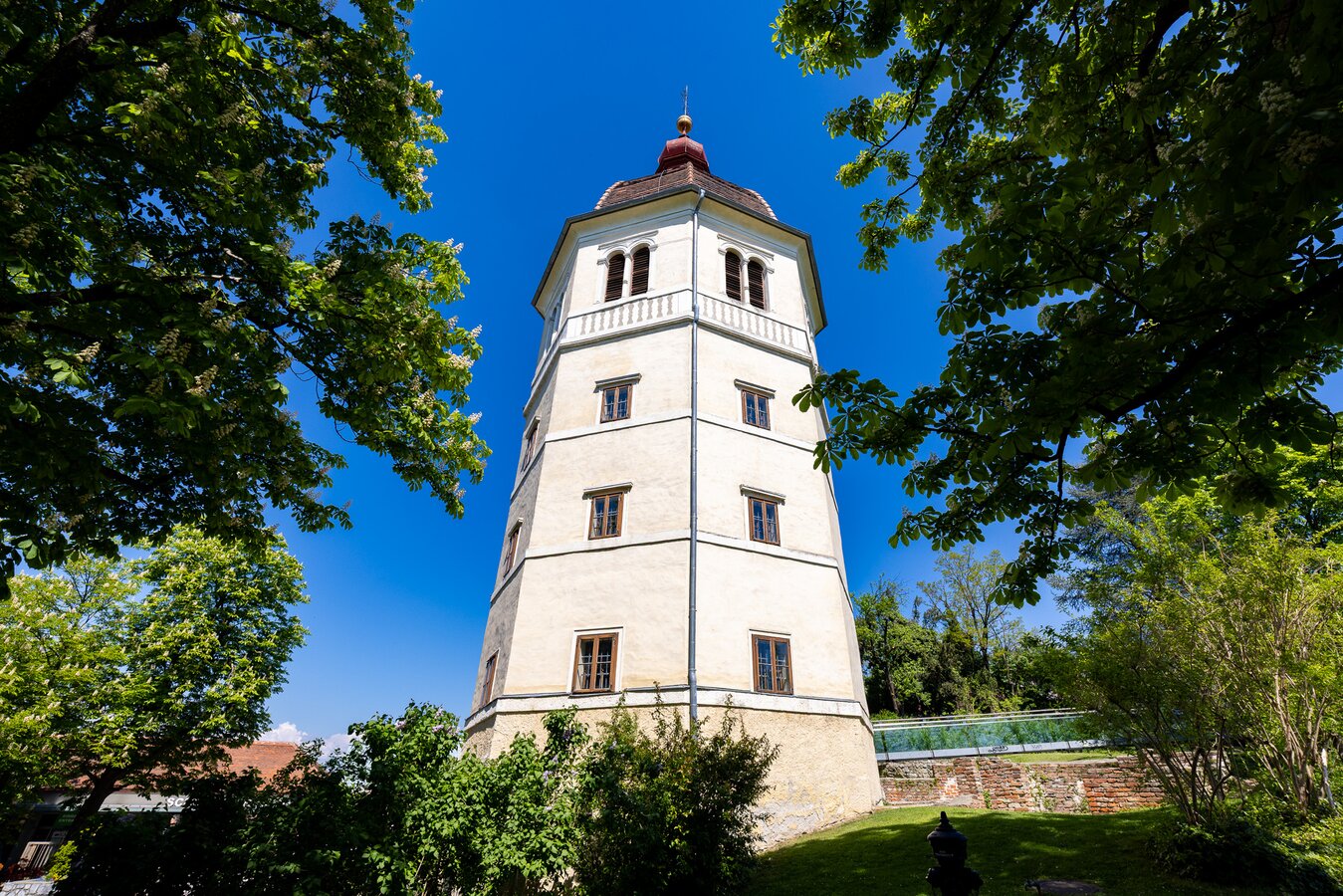
In 1588, Archduke Charles II of Inner Austria had a free-standing bell tower built next to St. Thomas Chapel. The bell called ‘Liesl’, which was made by the Saxon founder Martin Hilger, hangs in the belfry.
The tower, which is 38 metres high, was built in the context of the Styrian Counter-Reformation, during which the then predominantly Protestant estates were persecuted, forced to convert to the Catholic faith, and expelled from the country around 1600.
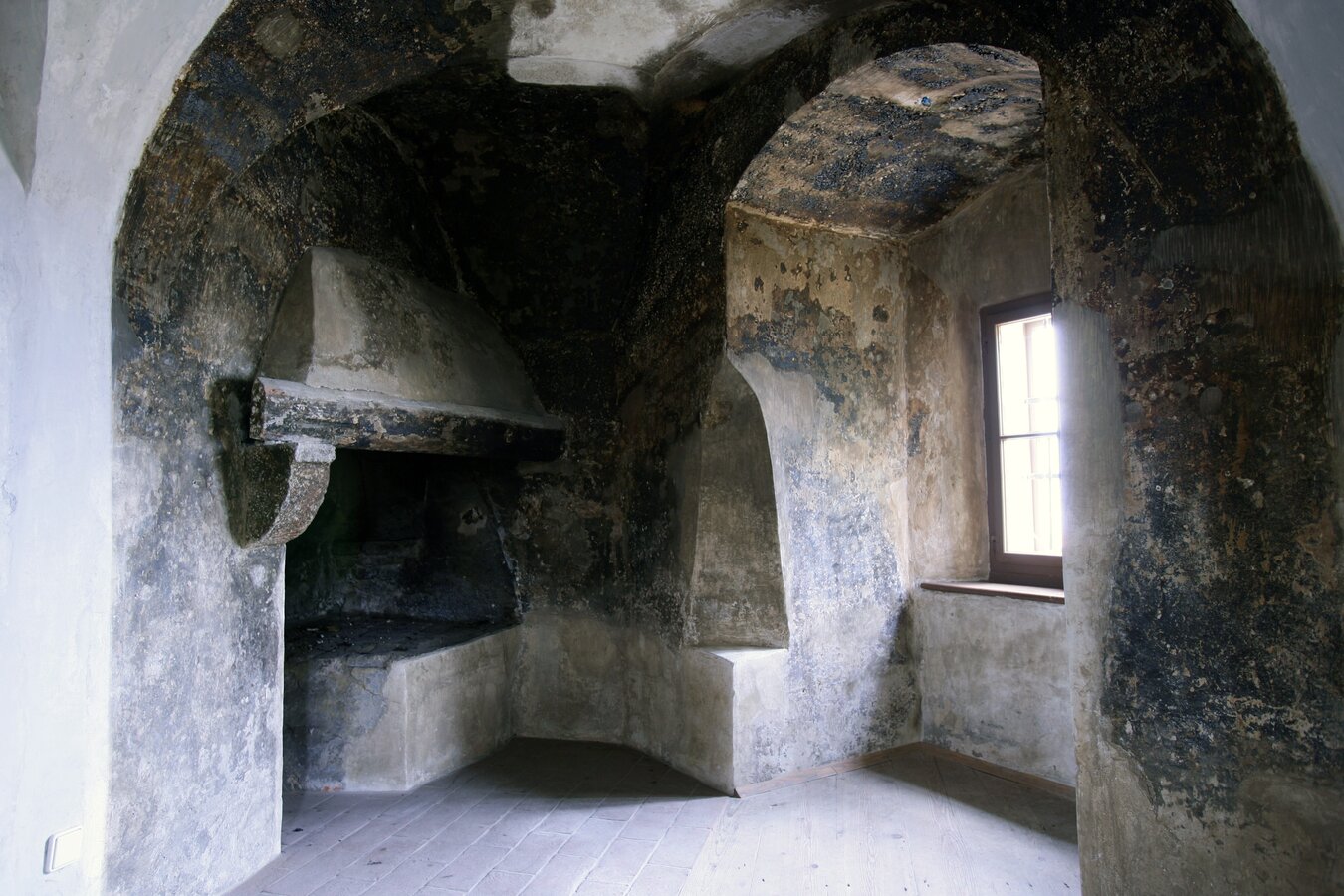
The Bell Tower itself contained prison cells including the so-called Bassgeige (bass violin) in the basement. The burghers of Graz saved the Bell Tower from imminent razing in 1809. In the 20th century, the Schlossberg Museum was temporarily accommodated in its rooms.

Good to know
The Bell Tower is located on Graz’s Schlossberg, just a few minutes’ walk from the Clock Tower. Thanks to the well-developed network of paths, it can easily be combined with other attractions such as the Kasematten, the Hackher Lion and the Chinese Pavilion.
The "Liesl", originally used as an alarm bell, still rings 101 times every day at 7 am, 12 noon and 7 pm. According to legend, the bell was cast from 101 cannonballs captured from the Ottoman army, which is said to explain the number of strikes. Historically, however, this is unlikely, as church bells are traditionally cast in bronze, while cannonballs were made of different materials. In fact, the metal used for casting the bell came from the Styrian Armoury, where it had been specifically set aside for this purpose.
With its impressive Renaissance design, fascinating history and remarkable size, the "Liesl" is one of the most significant bells in Styria. A Latin inscription on the bell reads:
"I am called a bell; I never announce anything insignificant. I proclaim festivals, the death of mortals and approaching storms. I call others to church, yet I myself always remain here."
The inscription also features the coat of arms of the bell founder Martin Hilger, together with the words: "Martin Hilger cast me."
No. In 2012, a piece of the centuries-old clapper broke off, causing the 4,633-kilogram bell to fall silent. After careful examination, a new clapper was commissioned from a renowned German forge that had also produced the new clapper for Vienna’s famous Pummerin bell in 2011. Thanks to this expert craftsmanship, the "Liesl" regained its distinctive voice and has been ringing over Graz ever since.
Yes. The octagonal Bell Tower is not only an important historical monument but also one of the Schlossberg’s favourite photo locations. Its distinctive shape and the beautiful views over Graz provide the perfect backdrop for memorable holiday photos and social media pictures.
Yes. The Bell Tower can be admired free of charge from the outside at any time. If you would like to explore the inside of the historic tower, you can do so as part of a guided tour, for example during the Schlossberg Guided Tour.
Picture gallery