Stable Bastion
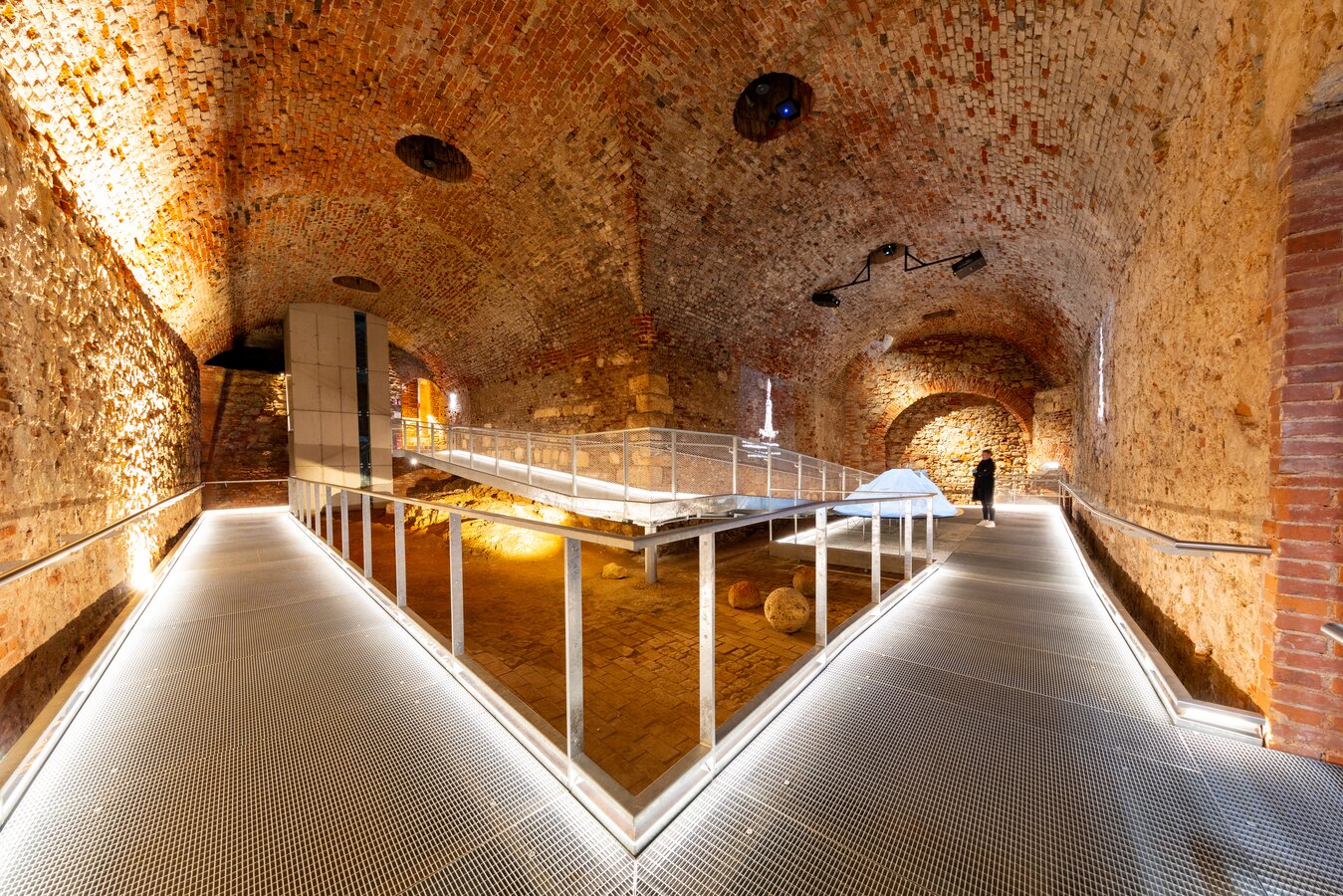
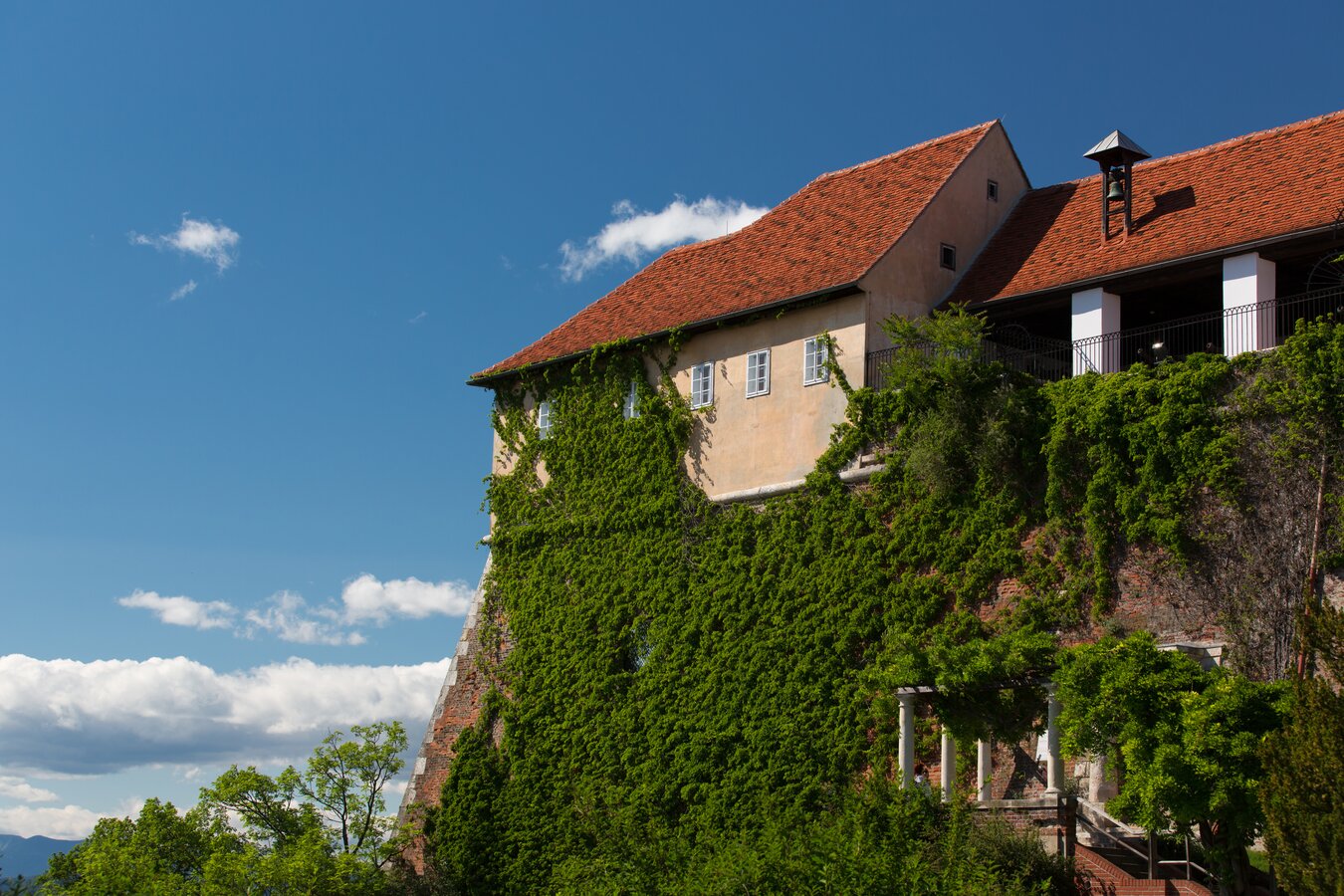
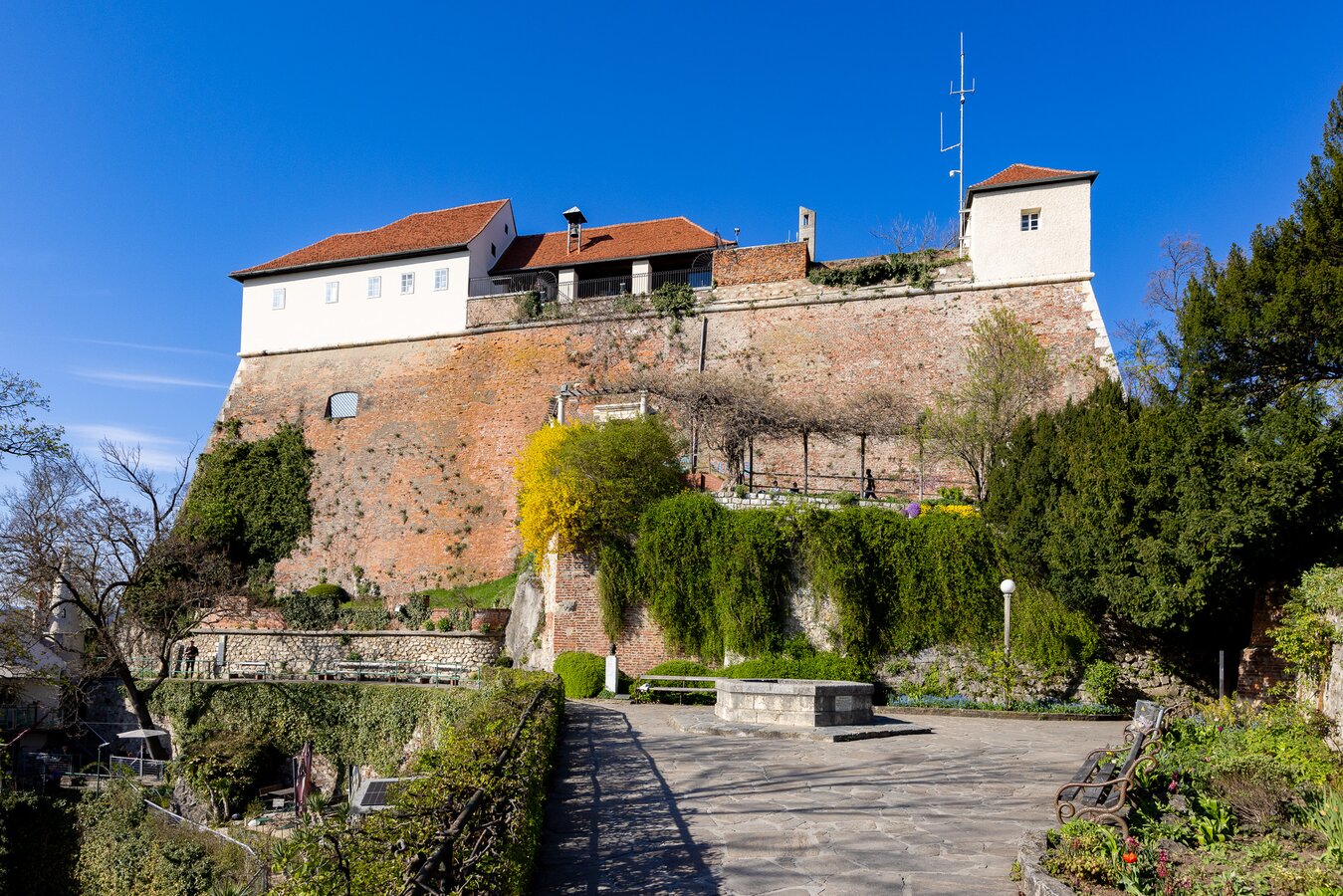
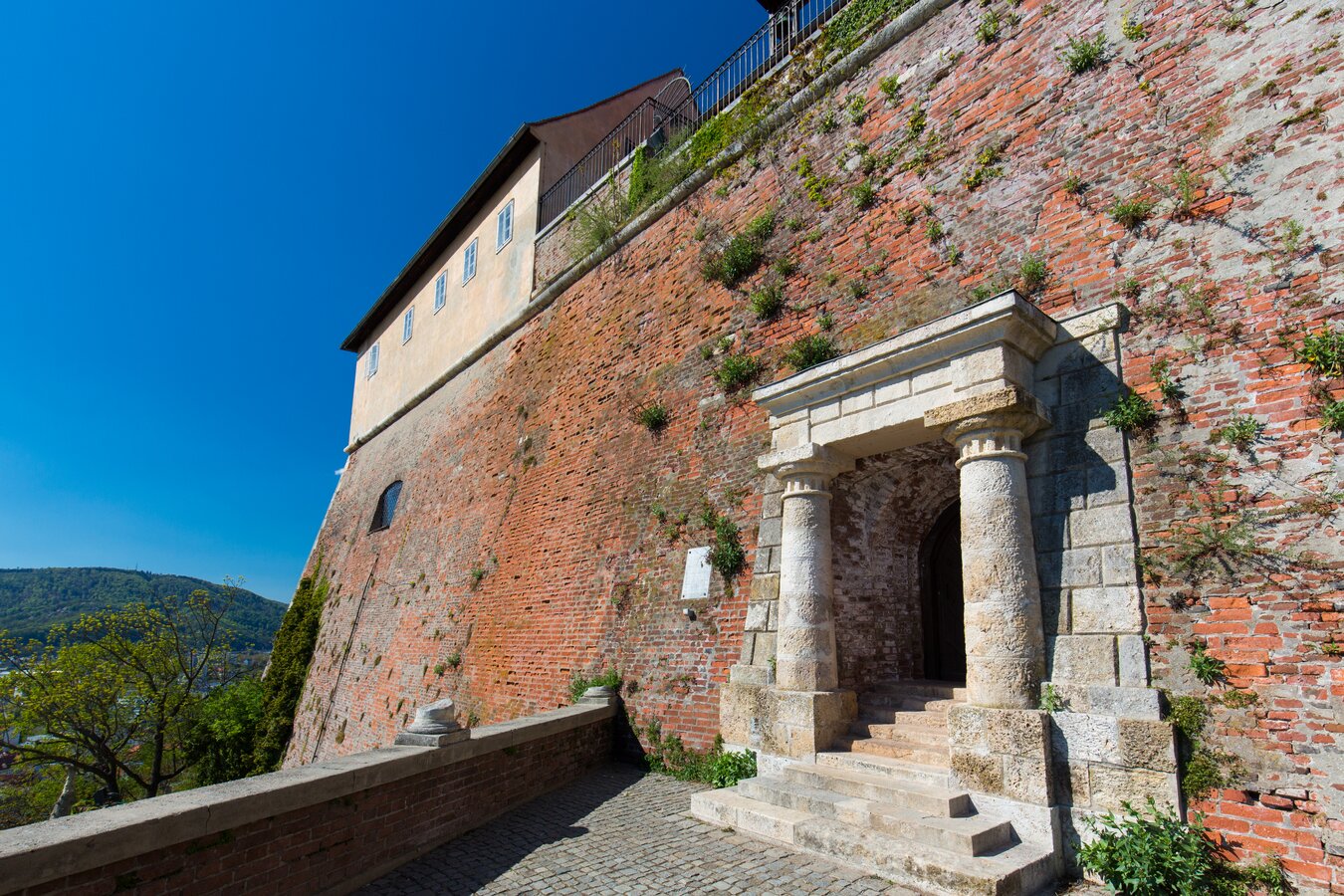
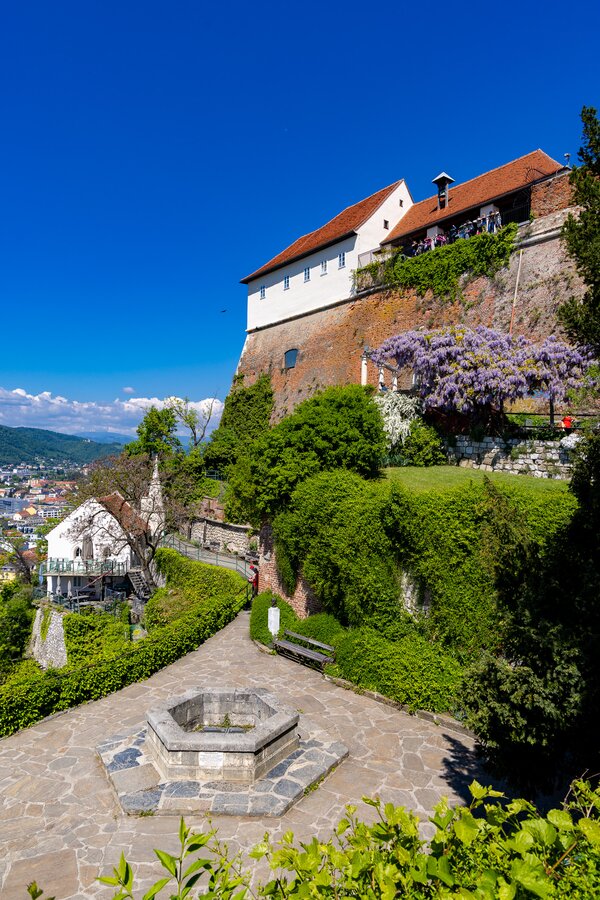
The Stable Bastion is the most impressive remnant of the Renaissance fortress that was built on the Schlossberg in 1544 according to the plans of Domenico dell’Allio. Its military and utility buildings and the underground casemates were primarily used for defence purposes until 1784. Then the casemates were dungeons for a time. At the same time, the fire watch gunners, who had been warning the city of fires with cannon shots and signals since 1725, were given a new Cannon House. Even after the fortress was razed in 1809, the restored bastion retained its function as a fire station in the 19th century.
Today it is used as a museum: as the Garrison Museum from 1981 to 2011 and as the Graz Museum Schlossberg since 2020.

Good to know
The Stall Bastion is located on Graz’s Schlossberg, close to the Clock Tower. From here, visitors can easily reach other attractions such as the Bell Tower, the Great Cistern, the Hackher Lion, and the Gothic Gate.
The Graz Museum Schlossberg tells the fascinating story of the Schlossberg, from the medieval castle and the Renaissance fortress to the underground tunnel system. Highlights include an interactive city model, historical artefacts, a multimedia model of the Schlossberg, and the Wonder Garden, featuring imaginative animal sculptures that are especially popular with families.
You should allow around 1 to 1,5 hours to visit the Stable Bastion and the Graz Museum Schlossberg. If you also wish to explore the Wonder Garden or enjoy the panoramic views, it is worth planning additional time.
The Stable Bastion itself is freely accessible. Admission to the Wonder Garden is free during the two hours before the Graz Museum Schlossberg opens and the two hours after it closes. Regular admission fees apply for the museum exhibition.
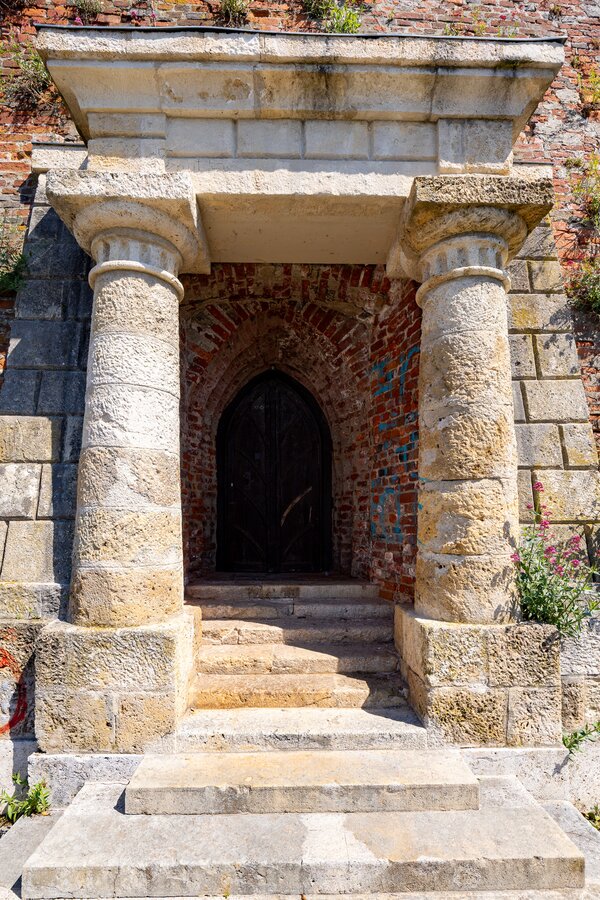
The Egyptian Gate is a decorative gateway dating from the early 19th century. It was designed by the lawyer and brick manufacturer Bonaventura Hödl and reflects the European fascination with Egyptian architecture and exotic motifs during that period. Today, it is one of the most unusual architectural features on Graz’s Schlossberg.
The bastion takes its name from the fortress stables that were once located here. In addition to its defensive function, it also served important logistical and economic purposes within the fortress.
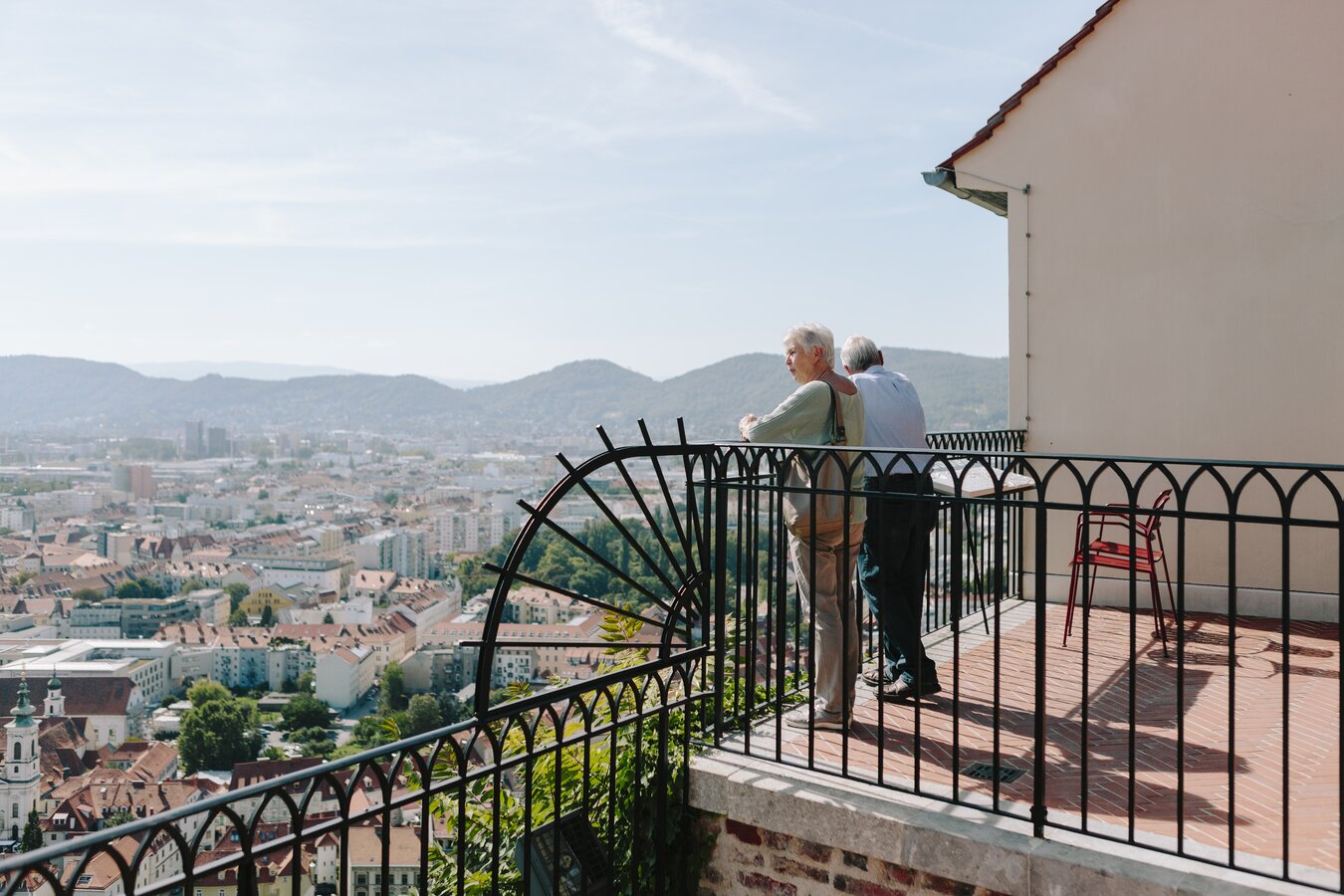
The Stable Bastion offers one of the finest panoramic views over Graz’s Old Town. Its impressive fortress walls, historic atmosphere and views of the UNESCO World Heritage city make it one of the Schlossberg’s most popular places for photography.
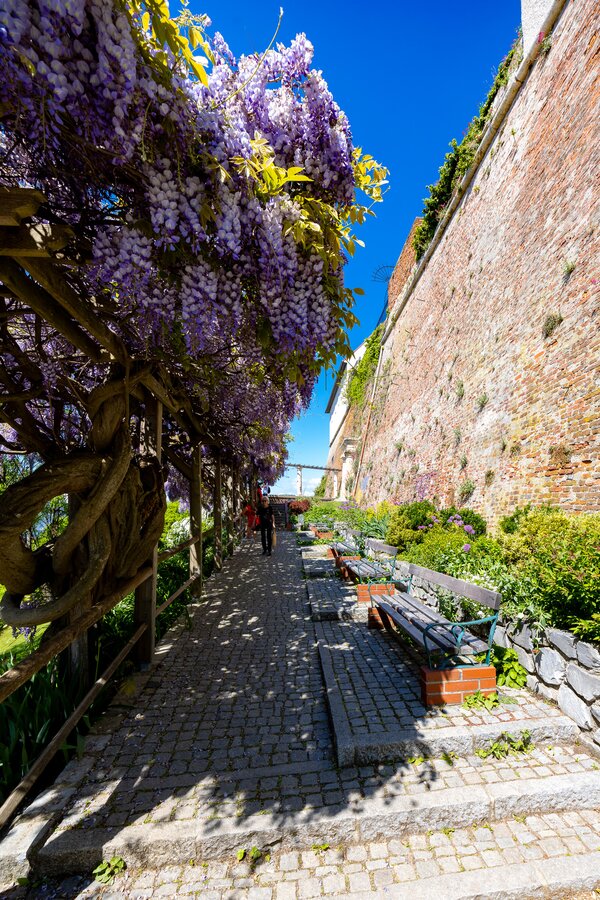
After Bonaventura Hödl and his wife Karoline leased the Kasematte on the Schlossberg in the early 19th century, they transformed the site into an exotic garden with elegant arbours and lush vegetation. Later, a pergola was added to the approach leading to the Egyptian Gate, giving rise to the famous "Hanging Gardens of Graz" – a picturesque symbol of the harmonious combination of architecture and nature.
Picture gallery