The 15 most frequently asked questions about Graz
What should you know before travelling to Graz – from sights to cuisine?
Are you planning a trip to Graz or would you like to get to know the city better? Here you’ll find the 15 most frequently asked questions about Graz – answered concisely and presented clearly.
Whether you’re looking for sights, culinary highlights, travel information or tips for day trips: this collection will help you plan your stay in Graz to the full and experience the city in all its facets.

Graz Sights & Experiences
The most important questions about sightseeing, highlights, attractions, unforgettable experiences and the length of your stay in Graz
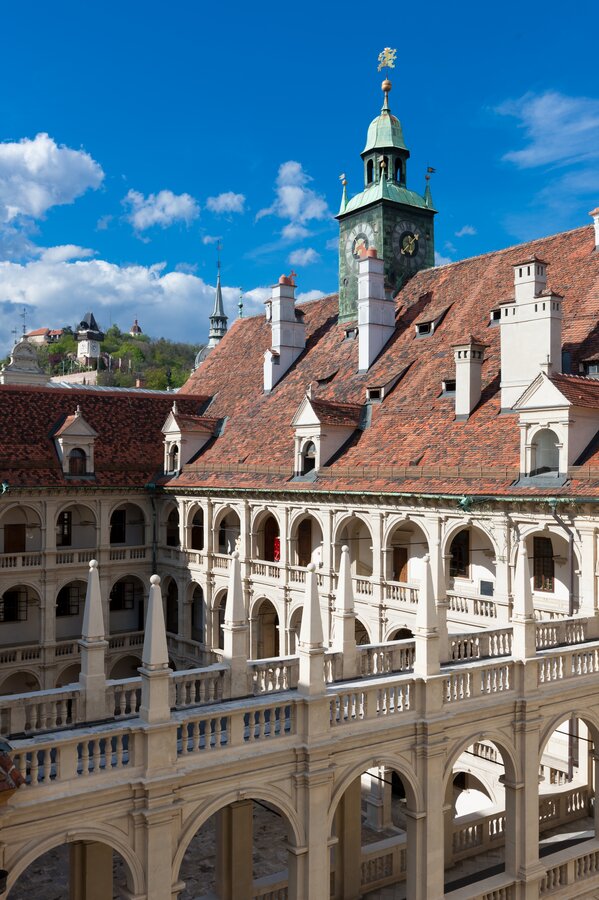
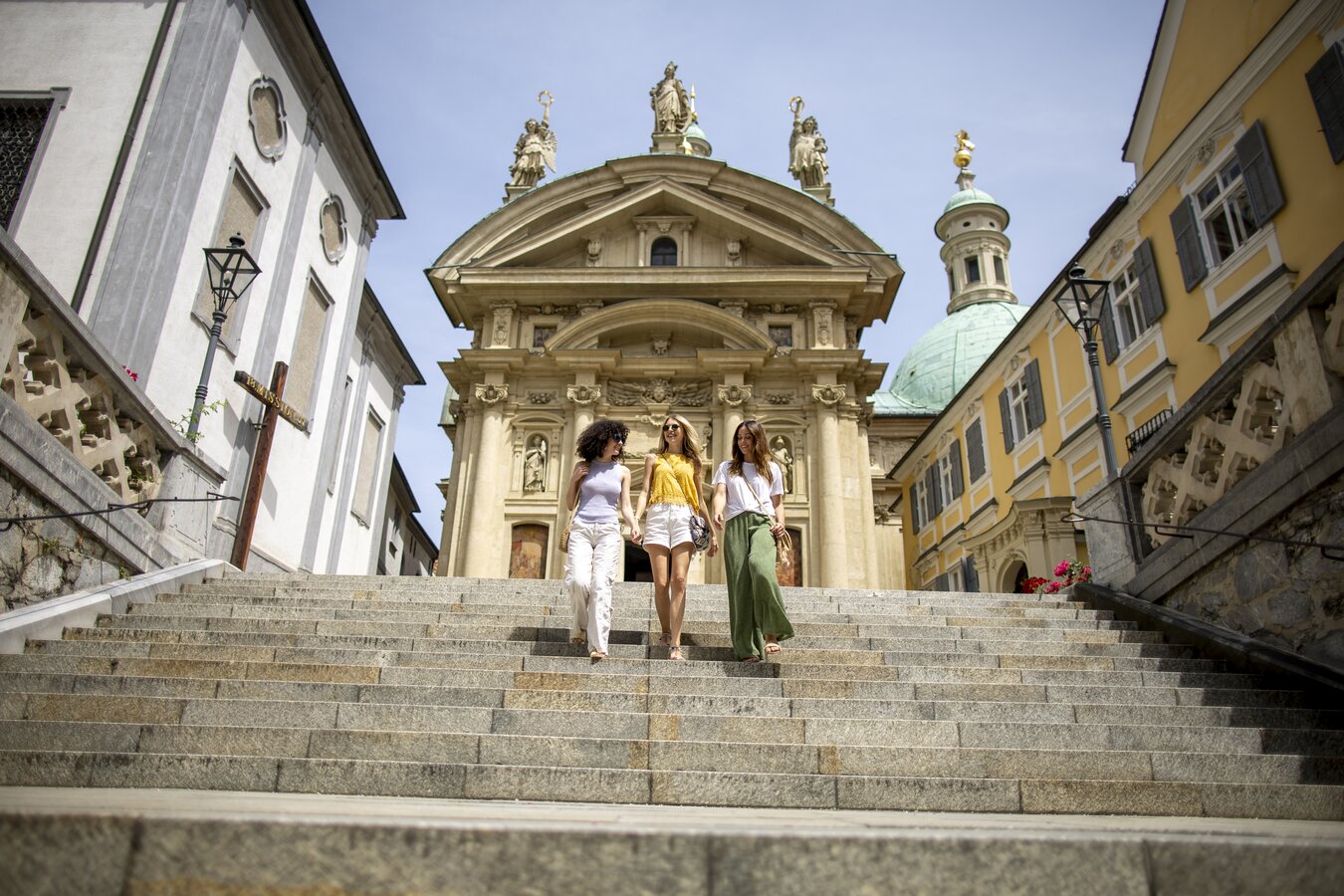
The most important sights in Graz are the Old Town (UNESCO World Heritage Site), the Schlossberg with the Clock Tower, the Kunsthaus Graz, the Mur Island, the Styrian Armoury (the world’s most important historic collection of weapons!), the Landhaushof courtyard, the Glockenspiel, Graz Cathedral, the Mausoleum, the Double Spiral Staircase, and Eggenberg Palace.
You can also find a compact overview of the highlights on the page “Top 10 Sights in Graz” as well as in our sights brochure (.pdf), which is available free of charge at the Graz Region Tourist Information Office (Herrengasse 16).
Graz offers an extraordinary mix of historic and contemporary architecture and impresses visitors with buildings from different eras. The exceptionally well-preserved Old Town has been a UNESCO World Heritage Site since 1999, and since 2011 the city has officially been a UNESCO City of Design. Our brochure “Contemporary Architecture in Graz (.pdf)” provides a good overview and is also available free of charge at the Graz Region Tourist Information Office (Herrengasse 16).
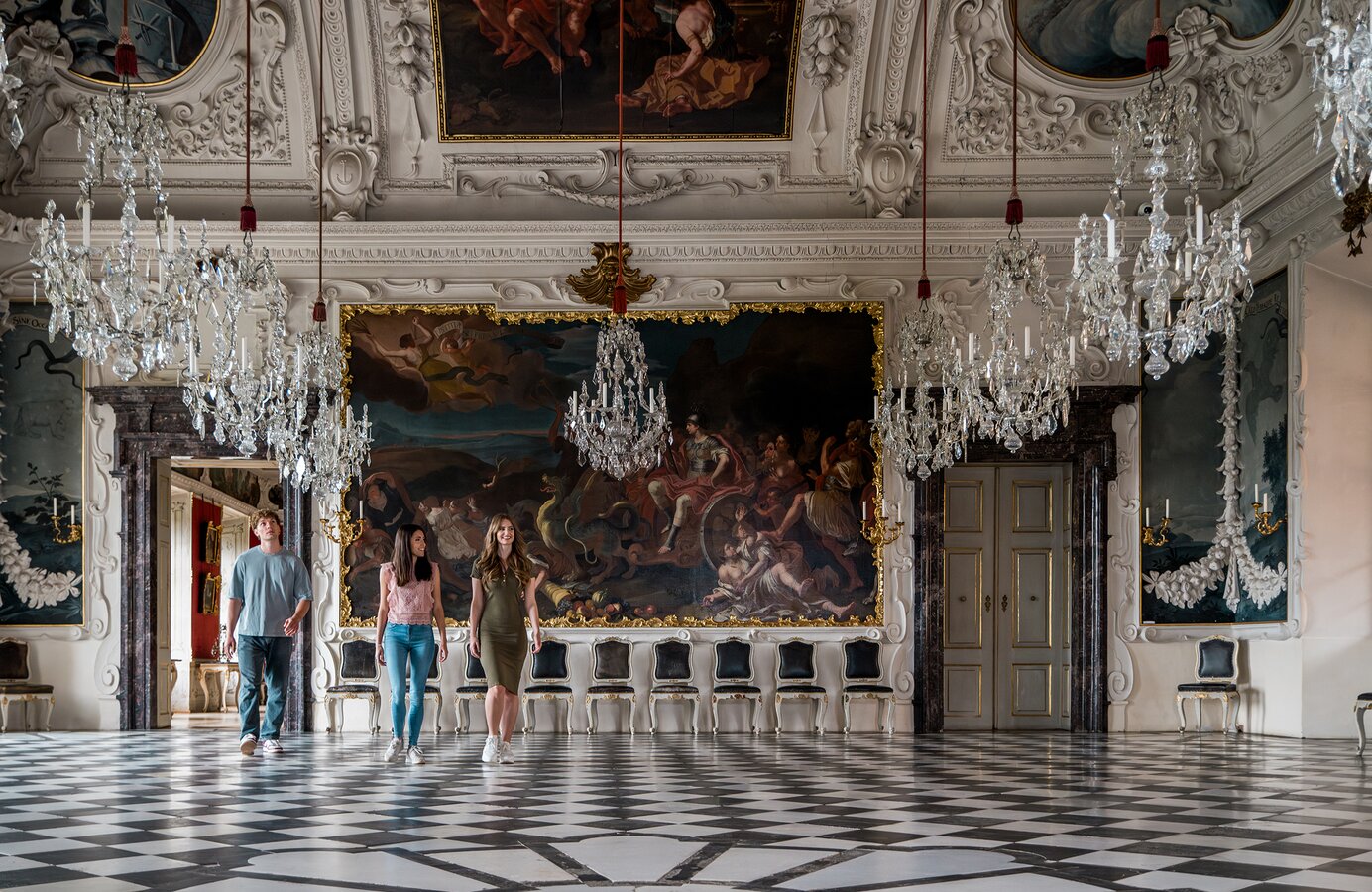
In 2010, the UNESCO World Heritage Committee extended the existing World Heritage Site “Graz – Historic Centre” to include Eggenberg Palace. Located on the outskirts of Graz, the palace impresses with its baroque splendour and is also home to several museums. Of particular importance to its status as a total work of art is the cycle of 24 magnificent state rooms, culminating in the central Planet Hall.
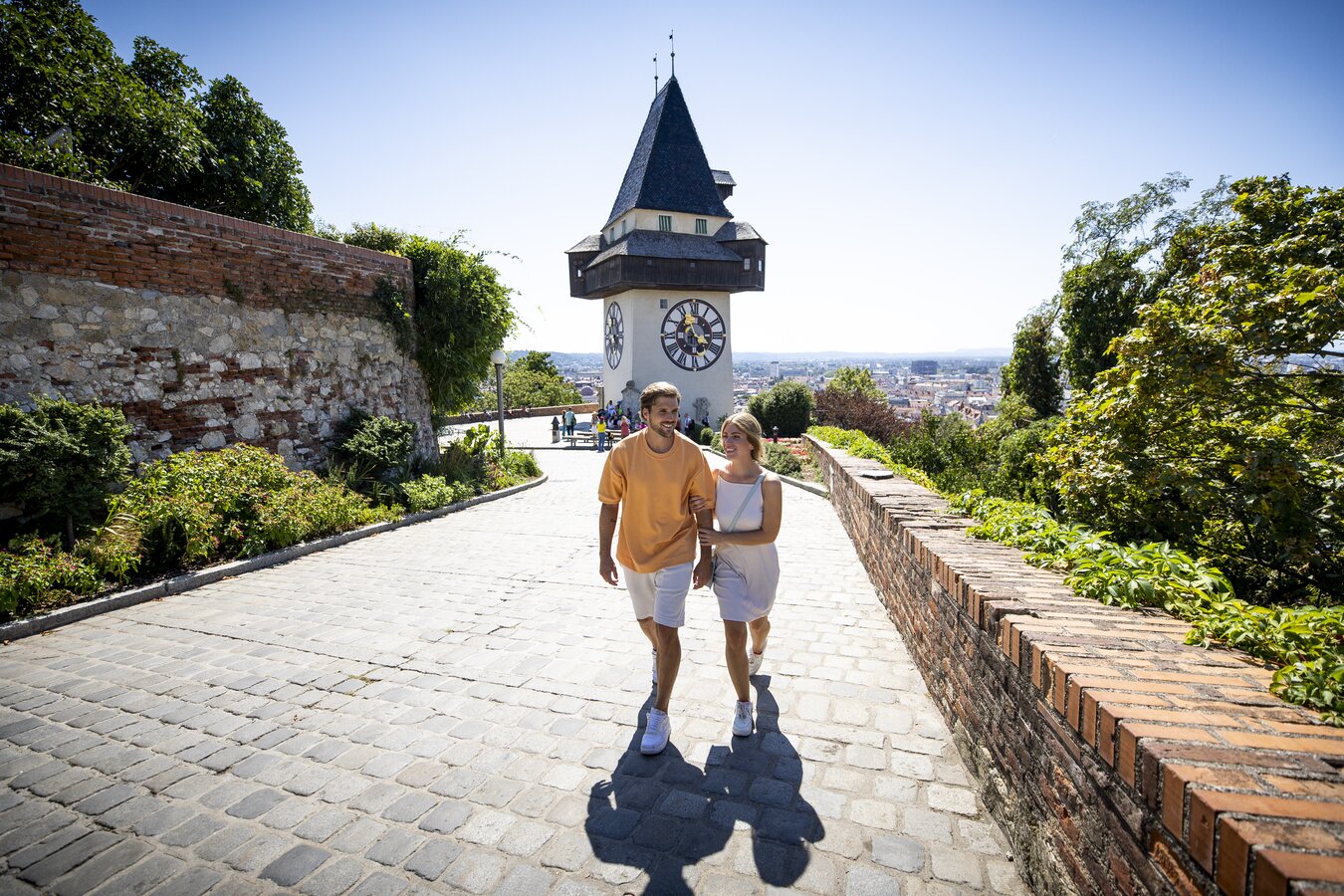
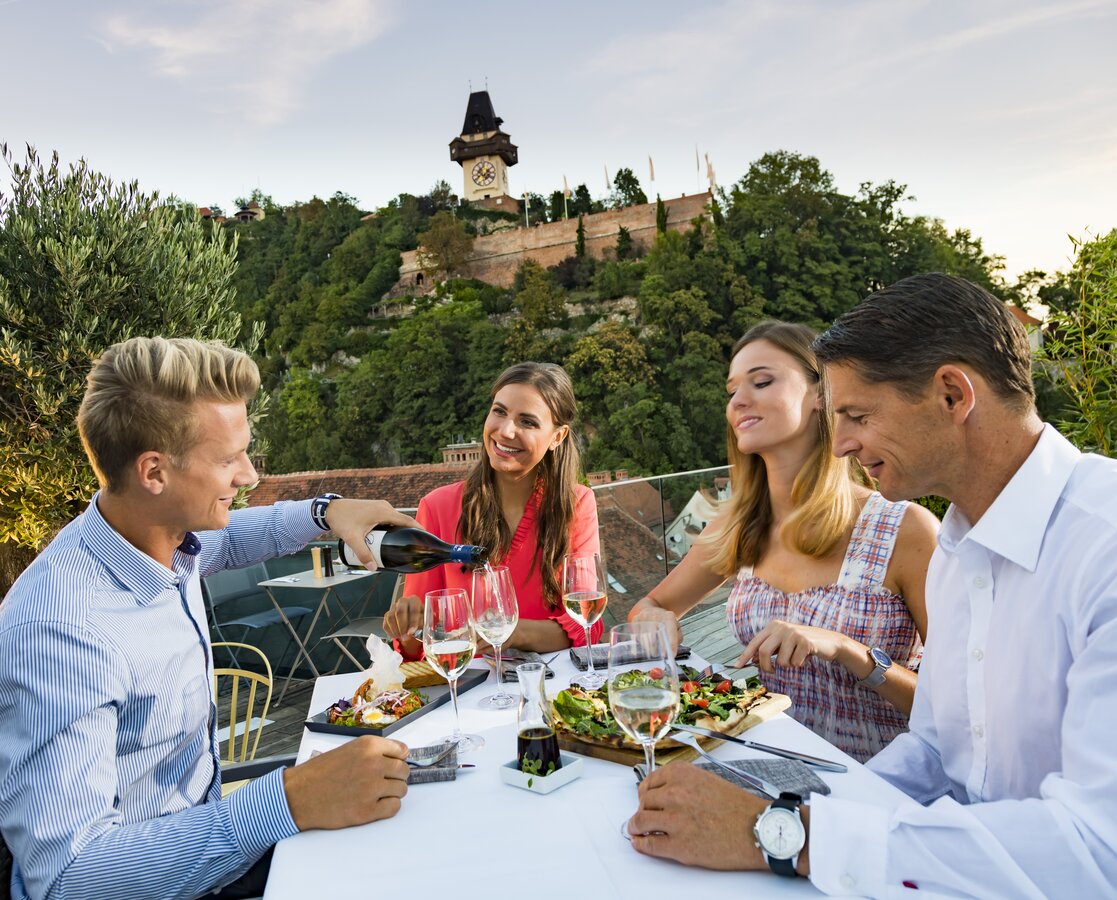
The Schlossberg, with its Clock Tower, is the landmark of the city and offers magnificent views over Graz. The Clock Tower is also one of the city’s most popular photo motifs.
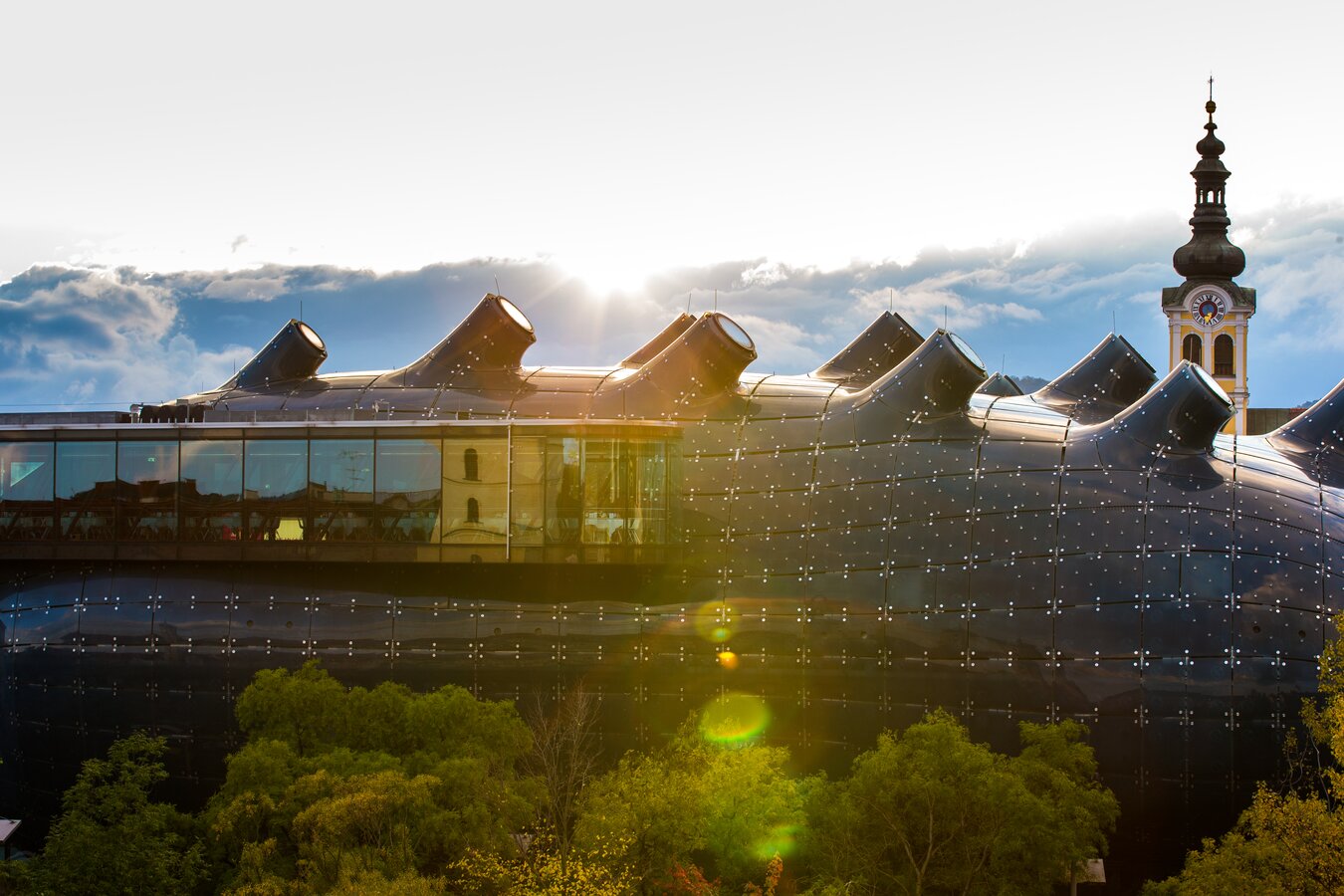
The Kunsthaus Graz, often referred to as the “Friendly Alien,” stands for modern art and architecture.
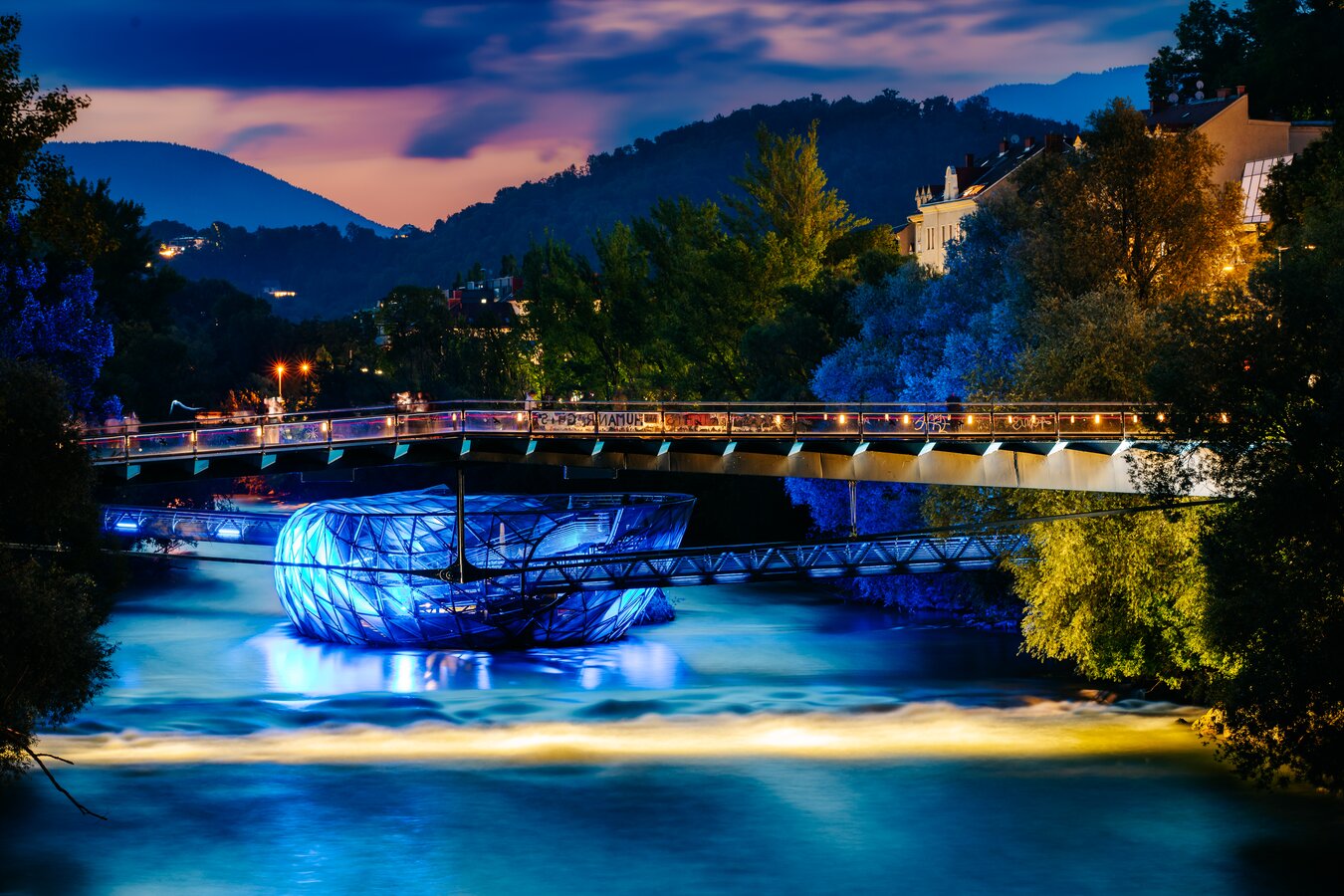
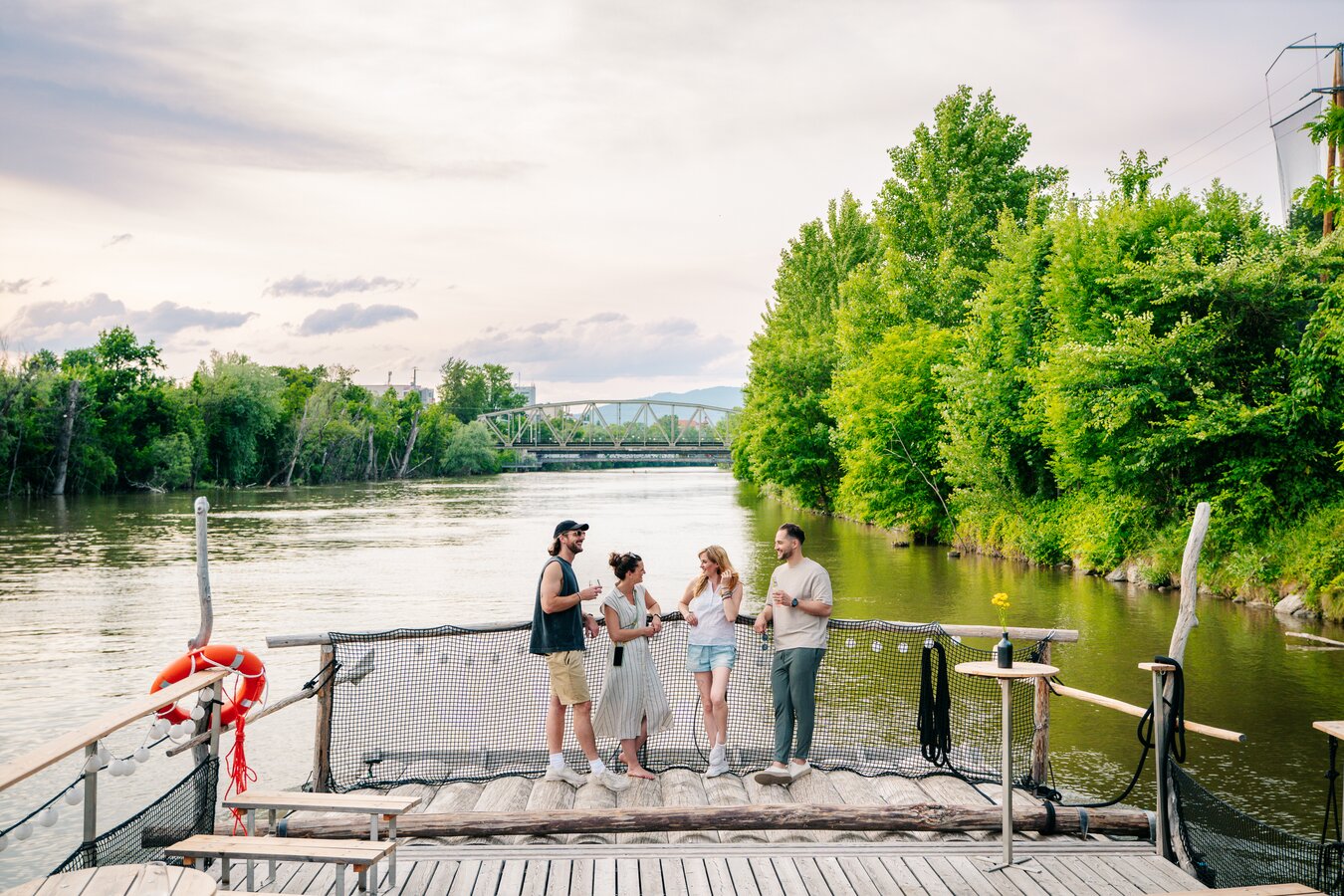
The Mur Island, a floating platform on the Mur River, combines modern architecture with a café and event space and is a popular meeting point in the city.
This combination makes Graz a diverse travel destination with numerous attractions for every taste.
During a weekend in Graz, you can explore the Old Town, visit the Schlossberg, discover museums, and enjoy the city’s culinary scene. Graz is compact and perfect for a short city break.
A weekend is enough to experience the city’s main highlights:
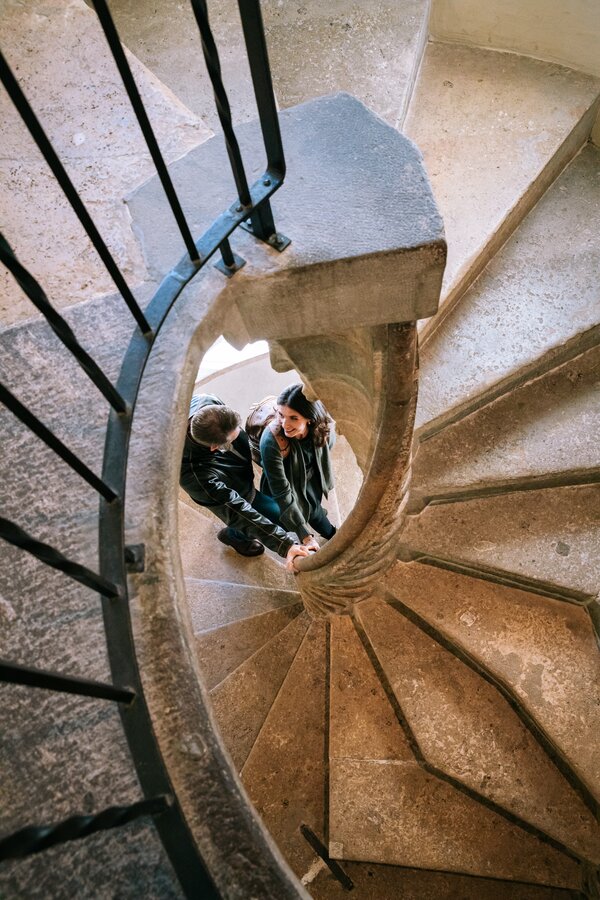
- On the first day, we recommend a walk through the Old Town with the Main Square, the Landhaushof courtyard, Graz Cathedral, and the Mausoleum, as well as a detour to the Mur Island and the Double Spiral Staircase in Graz Castle. Afterwards, head up to the Schlossberg – either on foot via the Schlossberg trail, by lift, or with the Schlossbergbahn funicular railway. At the top, you can enjoy not only the Clock Tower (the city’s landmark) but also impressive views over Graz and the Graz Museum Schlossberg.
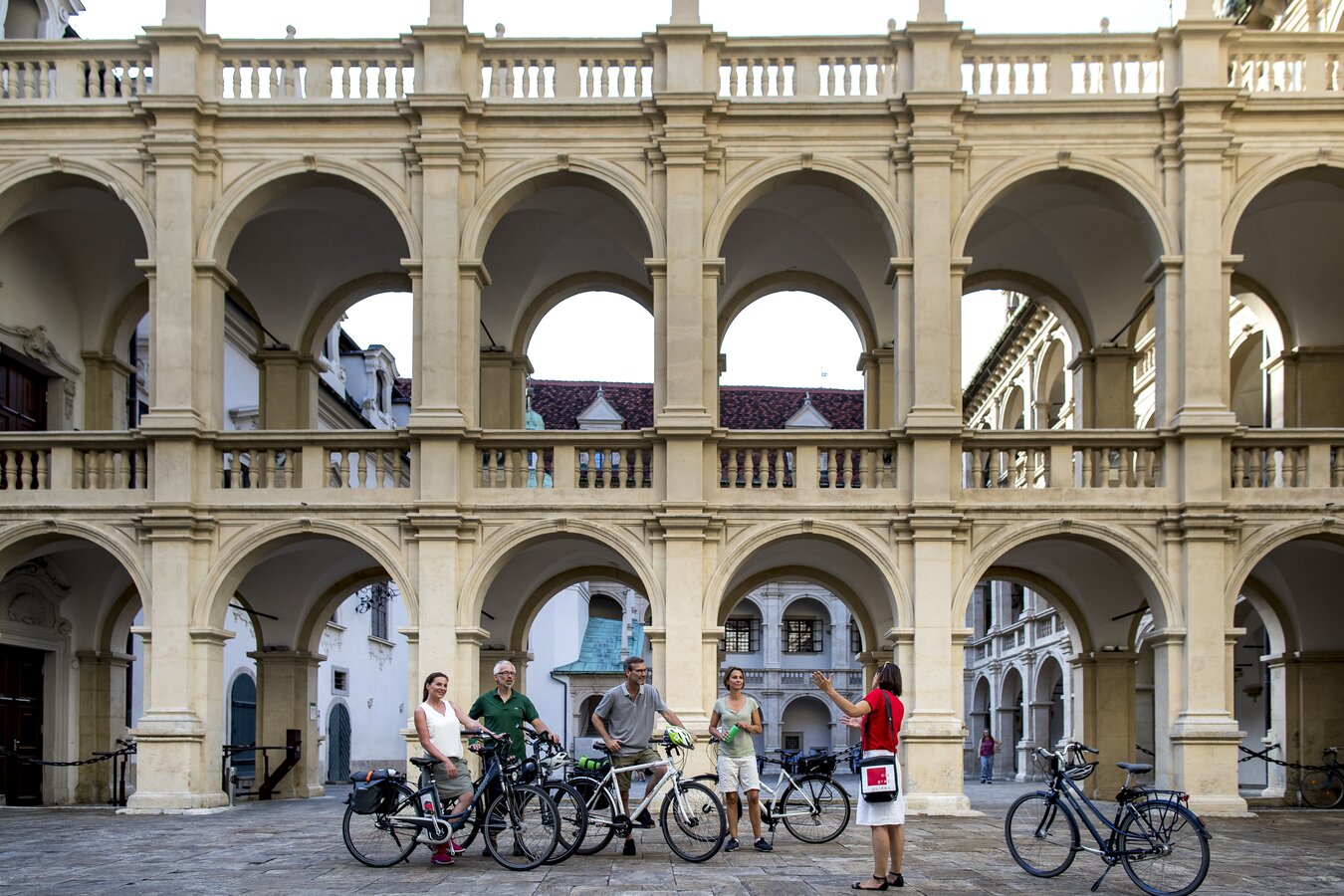
- If you would prefer to discover the city as part of a guided tour, you can book a guided Old Town tour at the Graz Region Tourist Information Office and learn exciting background stories and insider knowledge.
- On the second day, museums such as the Kunsthaus Graz, the Styrian Armoury (the world’s most important historic weapons collection!), or Eggenberg Palace (a UNESCO World Heritage Site since 2010) are highly recommended. A visit to one of the locations of the Universalmuseum Joanneum or the Graz Museum is also worthwhile. You can find an overview of all museums in Graz here.
- The programme can be complemented with culinary experiences in restaurants, for example in the partner establishments of the Foode City Graz initiative, or at one of the many farmers’ markets such as Kaiser-Josef-Markt or the market at Lendplatz. Walks along the Mur River, through Augarten Park, or through creative districts such as Lend and Gries are also highly recommended.
Tip: If you are planning your stay, you can also find practical recommendations on our website for Graz in 24, or Graz in 48 hours.
Ideally, you should plan 2 to 3 days for Graz. This gives you enough time to explore the city’s main sights at a relaxed pace, enjoy culinary highlights, and even discover the surrounding region of Graz.
One to two days are enough to see the central attractions, but with three days you can experience Graz more intensively. In addition to the Old Town, the Schlossberg, and museums, you will also have time for extended restaurant visits, enjoyable strolls through Graz’s farmers’ markets, and relaxing (or more challenging) hikes in and around the city.
If you stay longer, you can also take excursions into the surrounding area. Graz is ideal both for short city breaks and as a starting point for exploring Styria.
Tip: With attractive offers such as the 3=2 package, you can extend your stay and enjoy one free night.
If you would like to experience Graz like a local, it is worth exploring beyond the classic tourist routes:
- The area around Mariahilferplatz, Lendplatz, and the connecting Mariahilferstraße in Graz’s Lend district is considered the vibrant heart of the local creative scene and a central part of the UNESCO City of Design. What was once known as the “broken glass district” has developed into an urban hotspot for design, art, craftsmanship, and gastronomy. Tip: On kreatives-graz.at you can discover local creatives and businesses, inspiring video portraits with behind-the-scenes insights, and events showcasing the diversity of Graz’s creative scene.
- The Augarten Park, the Augarten Bay, and the City Beach offer relaxing spots along the Mur River.
- The Rosenhain above the city is a popular meeting place for students and offers beautiful views, especially at sunset.
- The Hilmteich on the edge of the Leechwald forest is ideal for walks, a small boat ride, or a relaxing break surrounded by nature.
- The courtyards of the Old Town are often freely accessible and allow visitors to admire historic architecture up close. Please note, however, that many of these buildings are privately owned. Therefore, visitors are asked to behave respectfully and follow any notices on site. This helps ensure that these unique places remain accessible in the future. The courtyard of the Minorite Monastery (Mariahilferplatz 3) is especially worth seeing. With its peaceful and historic atmosphere, it offers a quiet escape from the bustle of the city.
- St. Andrä Church in Graz is often referred to as an “art church” because it has consciously provided space for contemporary art since 1999. The church is located at Maria-Stromberger-Gasse 9. From Südtirolerplatz, you can reach it with a short walk through Andrägasse, which leads into Maria-Stromberger-Gasse.
- The Fürstenstand in Graz is a popular excursion destination on the Plabutsch hill, offering fantastic views over the city. The surrounding area features many scenic hiking and walking trails. Afterwards, visitors can enjoy excellent food at the mountain restaurant – perfect for a relaxing trip into nature.
- Another insider tip is to explore the lesser-known paths on the Schlossberg. Instead of taking the main routes, you can follow smaller trails and discover quieter viewpoints.
- Small galleries and museums complete the experience and provide insight into the local art and cultural scene.
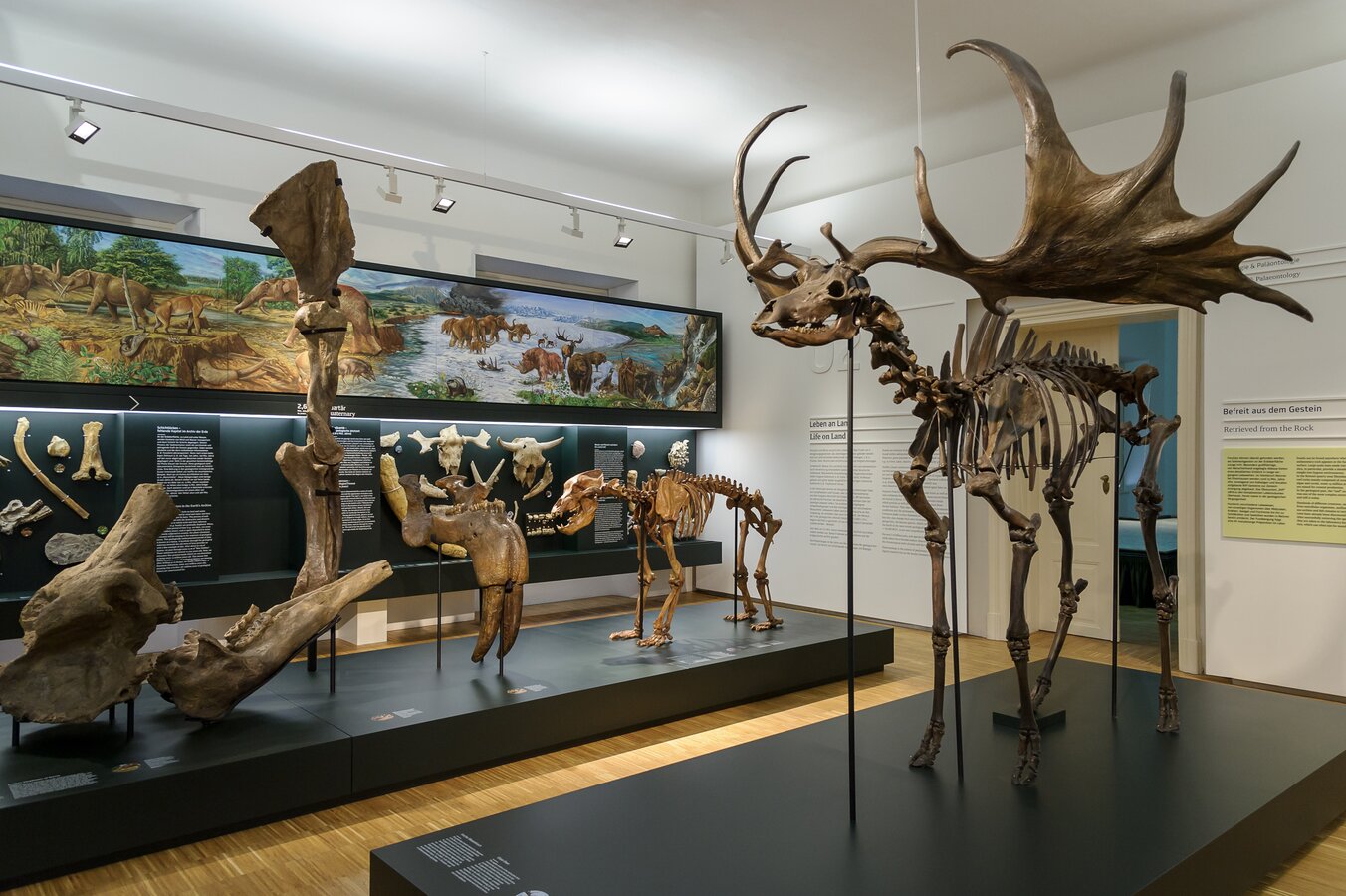
Graz delights visitors with a diverse museum landscape that uniquely combines history, art, and innovation. Highlights include the Styrian Armoury, Eggenberg Palace, and the Kunsthaus Graz. The Joanneum Quarter, featuring the Neue Galerie, the Natural History Museum, and CoSA, also offers exciting insights for culture enthusiasts.
Whether it is the city’s history at the Graz Museum or special collections such as the Schell Collection and the FRida & freD Children’s Museum, Graz’s museums invite visitors to discover the city from ever-changing perspectives.
On the page “Museums & Galleries” you will find a helpful overview of Graz’s museum landscape.

The Most Beautiful Sights in Graz
Top highlights, historic landmarks, and unique experiences in the city


Graz Culinary Delights & Lifestyle
The most frequently asked questions about regional cuisine, top restaurants in Graz, and the southern lifestyle in Graz
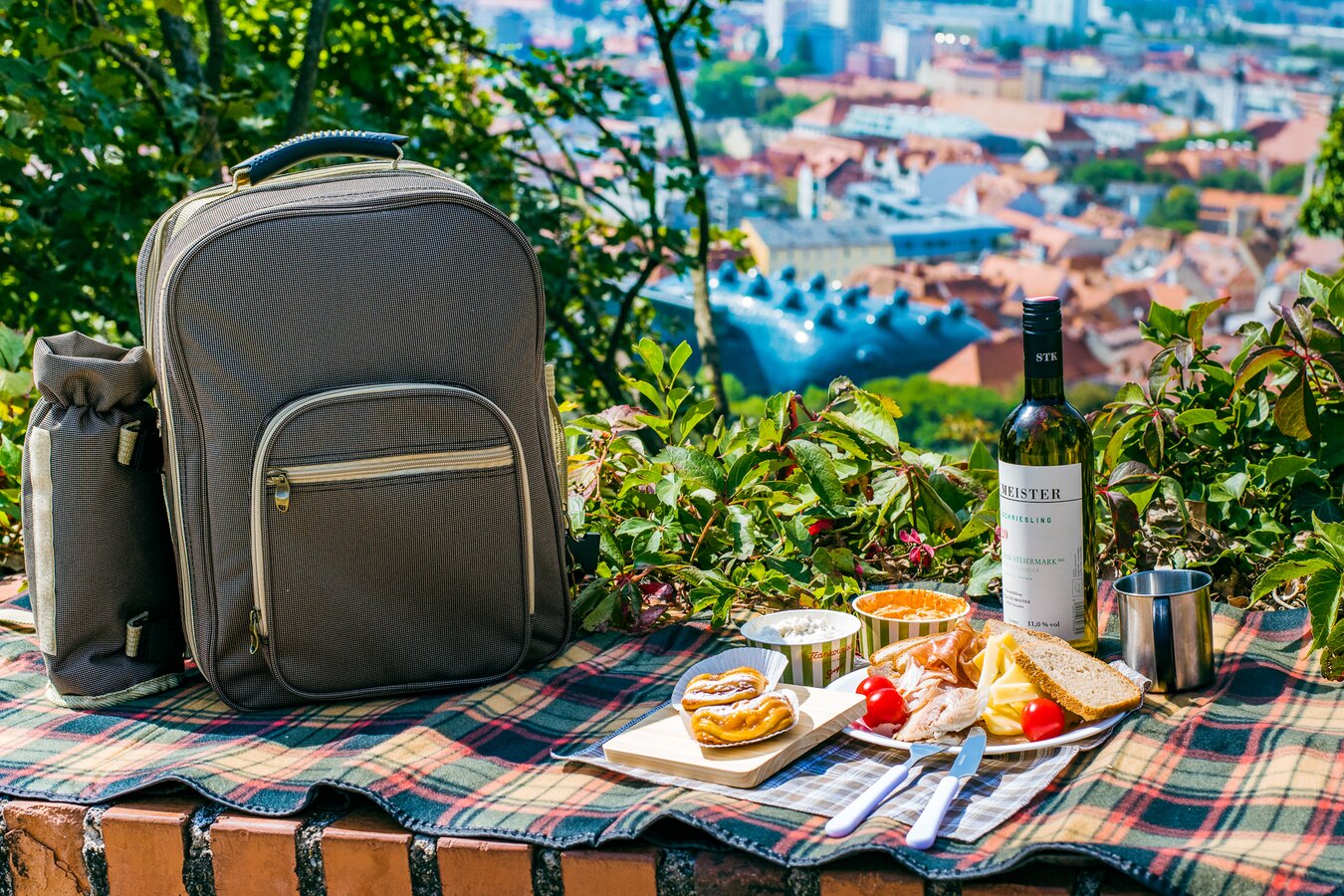
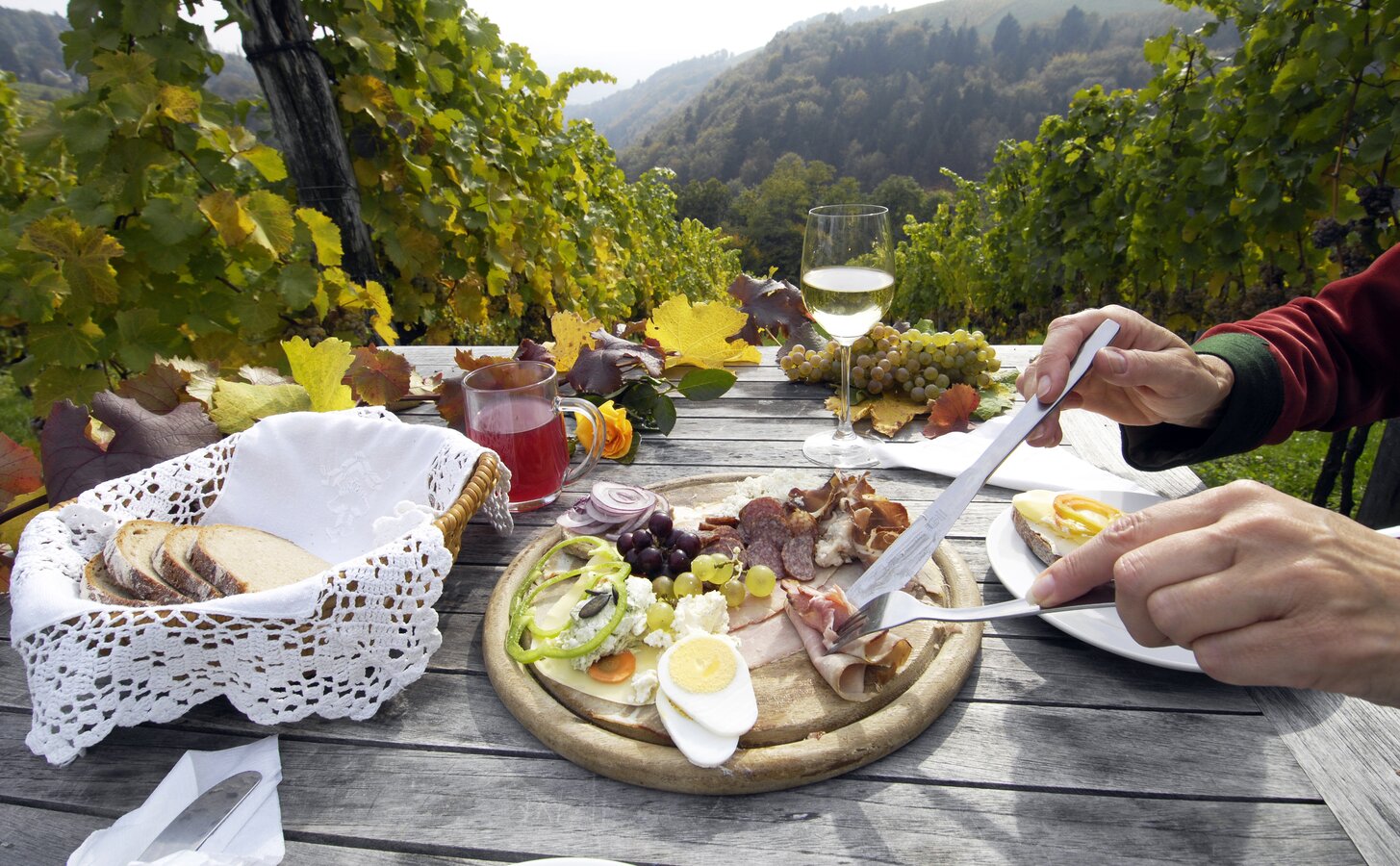
Typical specialties in Graz include Styrian pumpkin seed oil, fried chicken (“Backhendl”), scarlet runner beans (“Käferbohnen”), as well as regional wines and Styrian beer. The cuisine is fresh, seasonal, and strongly influenced by regional products.
Styrian cuisine is considered especially high-quality and diverse. One of its signature products is Styrian pumpkin seed oil, whose nutty flavour enhances many dishes – from salads to soups. Scarlet runner beans are another regional specialty and are often served as a salad.
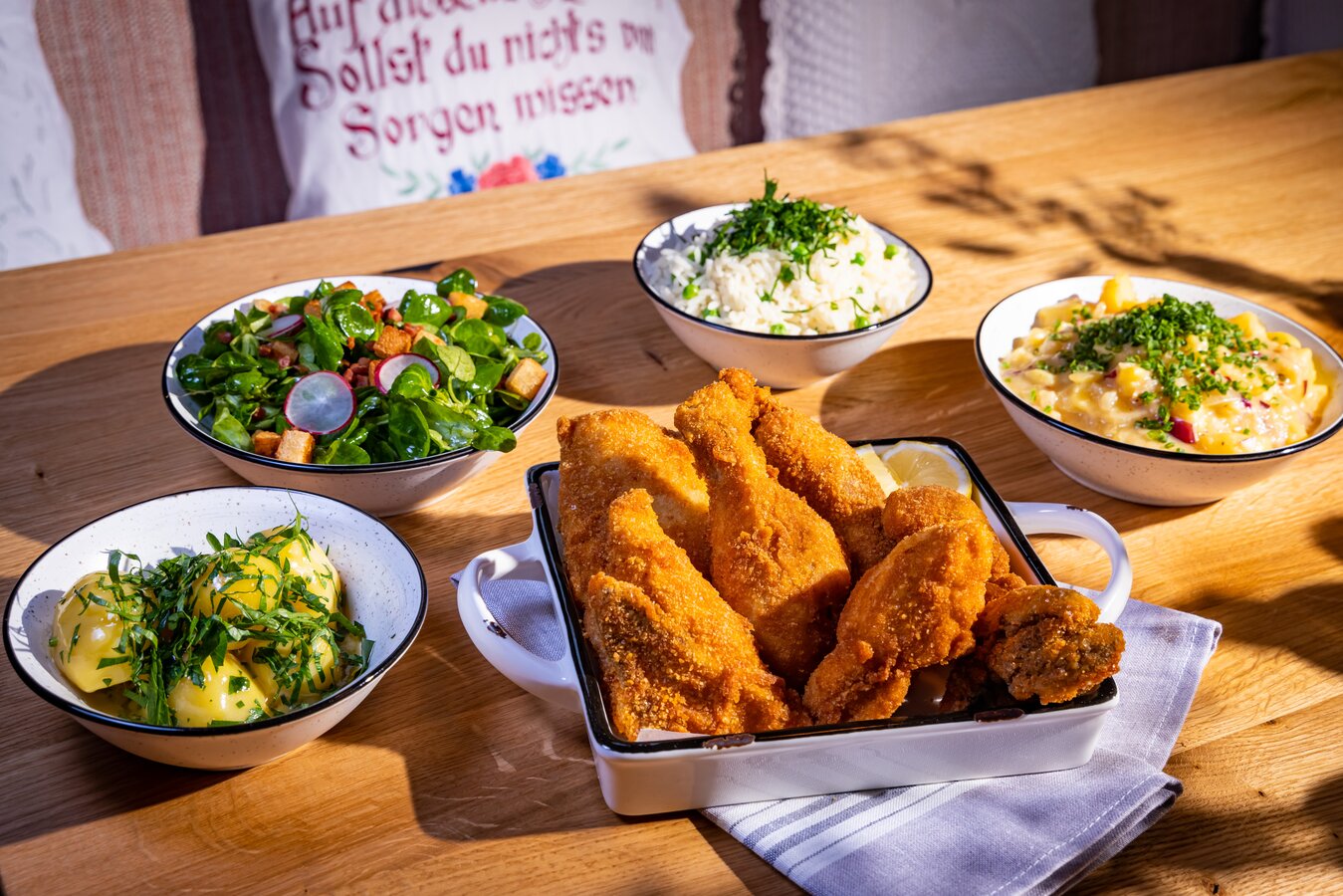
A true classic is crispy fried chicken (“Backhendl”), traditionally served with potato salad. Depending on the season, asparagus, mushrooms, or game dishes can also be found on local menus.
Styrian wines – especially white wines – are well known far beyond the region and pair perfectly with many dishes. One special highlight is the “Styrian Junker,” a young and fresh wine presented every autumn to mark the beginning of the new wine season. The culinary offering is complemented by Styrian beer and regional fruit juices.
In Graz, you can enjoy cuisine that places great value on seasonality, regionality, and quality – often bringing products directly from local producers to your plate.
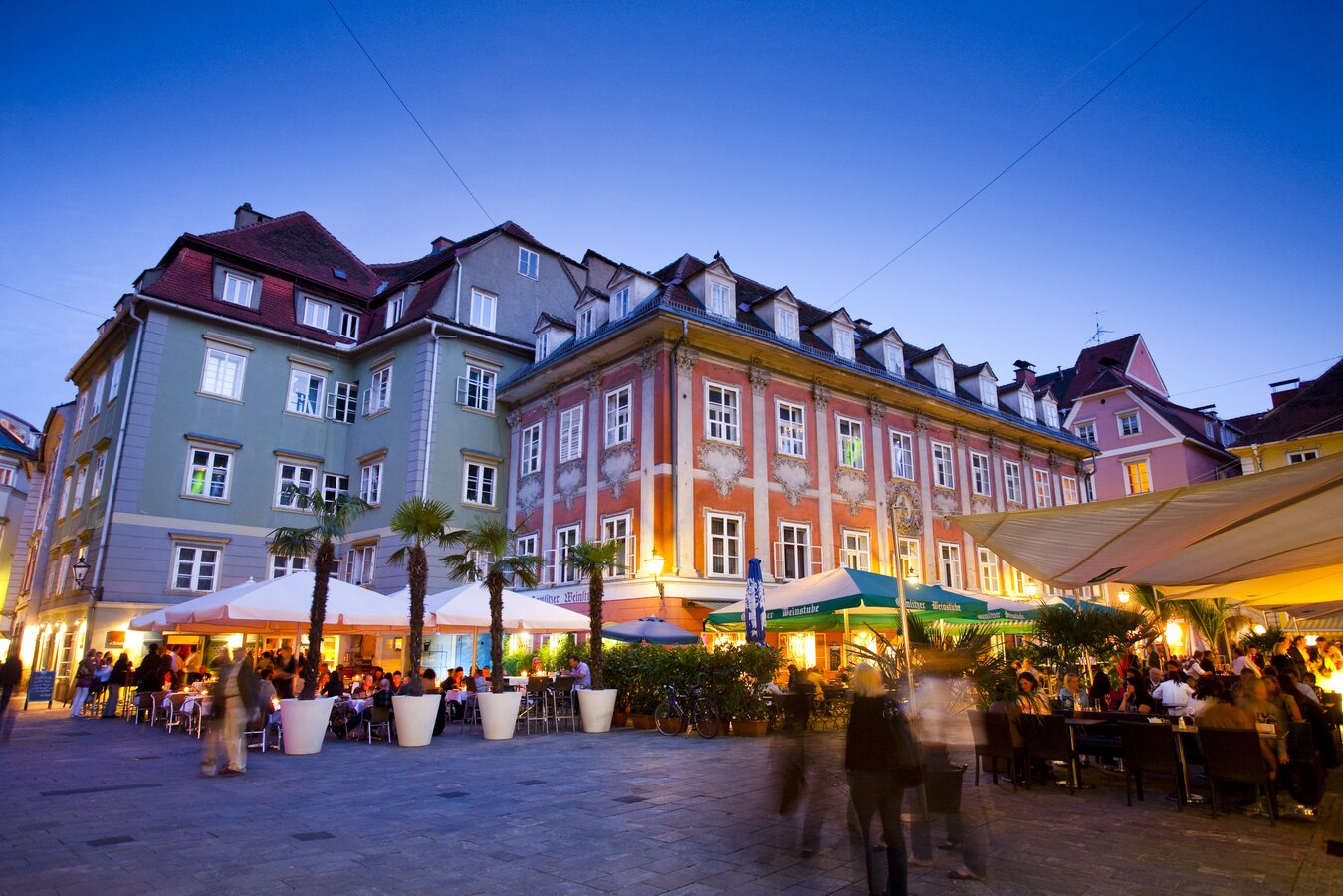
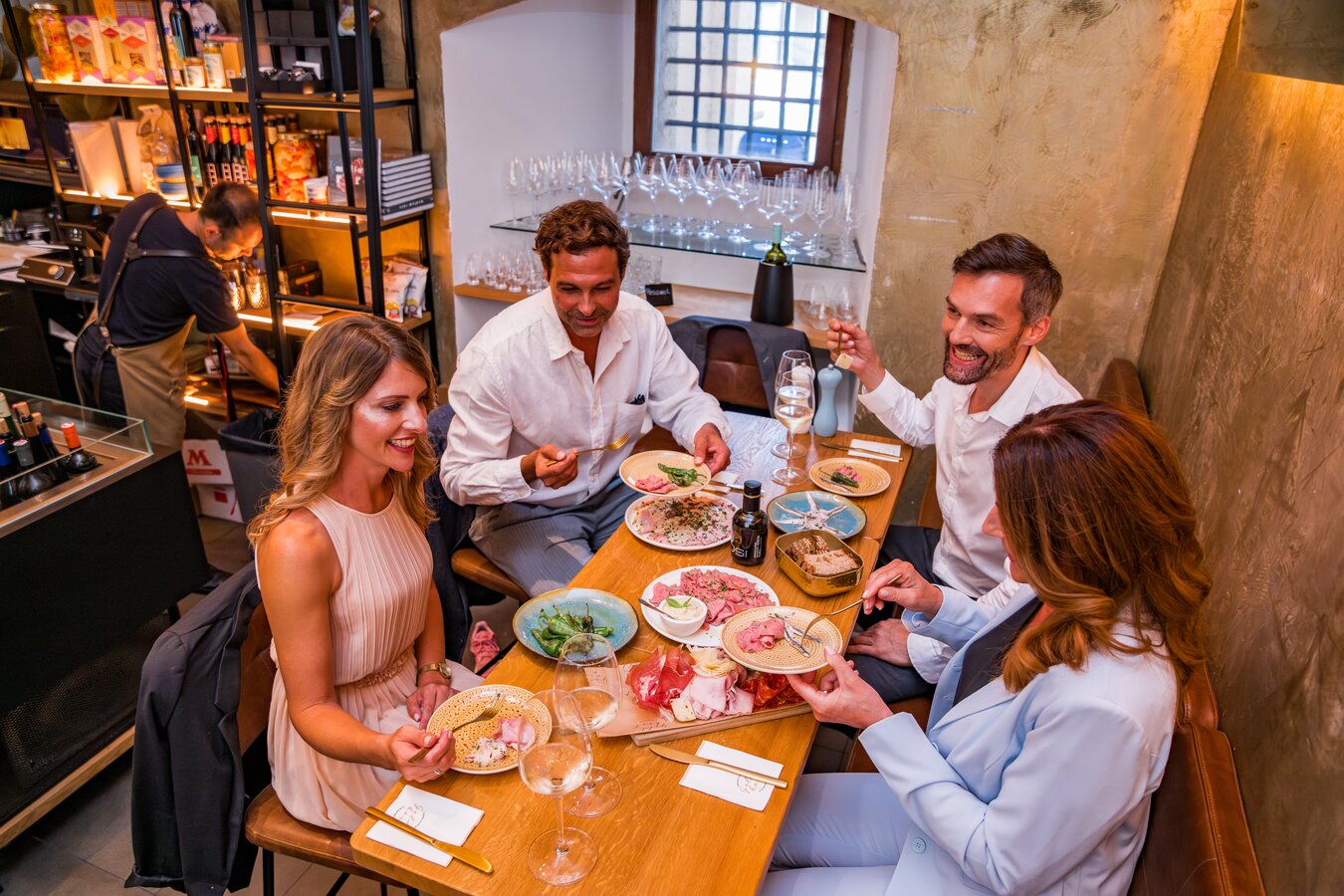
Graz is home to numerous restaurants, cafés, and bars – especially in the Old Town and around the Kunsthaus Graz. As a Foodie City, Graz also offers exceptionally high-quality regional cuisine in its partner restaurants.
The culinary scene in Graz is diverse and known for its high standards. From traditional inns to modern restaurants, there is something for every taste. Popular areas include the Old Town and Lendplatz, where many dining spots are concentrated. Cafés also play an important role in the city’s lifestyle and culture.
Since 2008, Graz has carried the title of Foodie City, representing outstanding culinary excellence. The partner restaurants of Foodie City Graz are especially recommended. Here, experienced chefs cook with great passion, regional ingredients, and a strong commitment to quality – at a level that is appreciated internationally. Whether fine dining or a traditional tavern, all Foodie City establishments focus on seasonal cuisine with fresh, regional products from Styria’s GenussRegions.
The culinary experience is complemented by high-quality beverages such as Styrian wines, beers, juices, and spring water. Clear information about product origins ensures transparency and traceability. The partner establishments are also awarded the “AMA Genuss Region” quality seal and are regularly inspected, guaranteeing that regionality and quality are consistently upheld.
Tip: In our online restaurant guide, you will find the best culinary addresses in the Foodie City Graz.
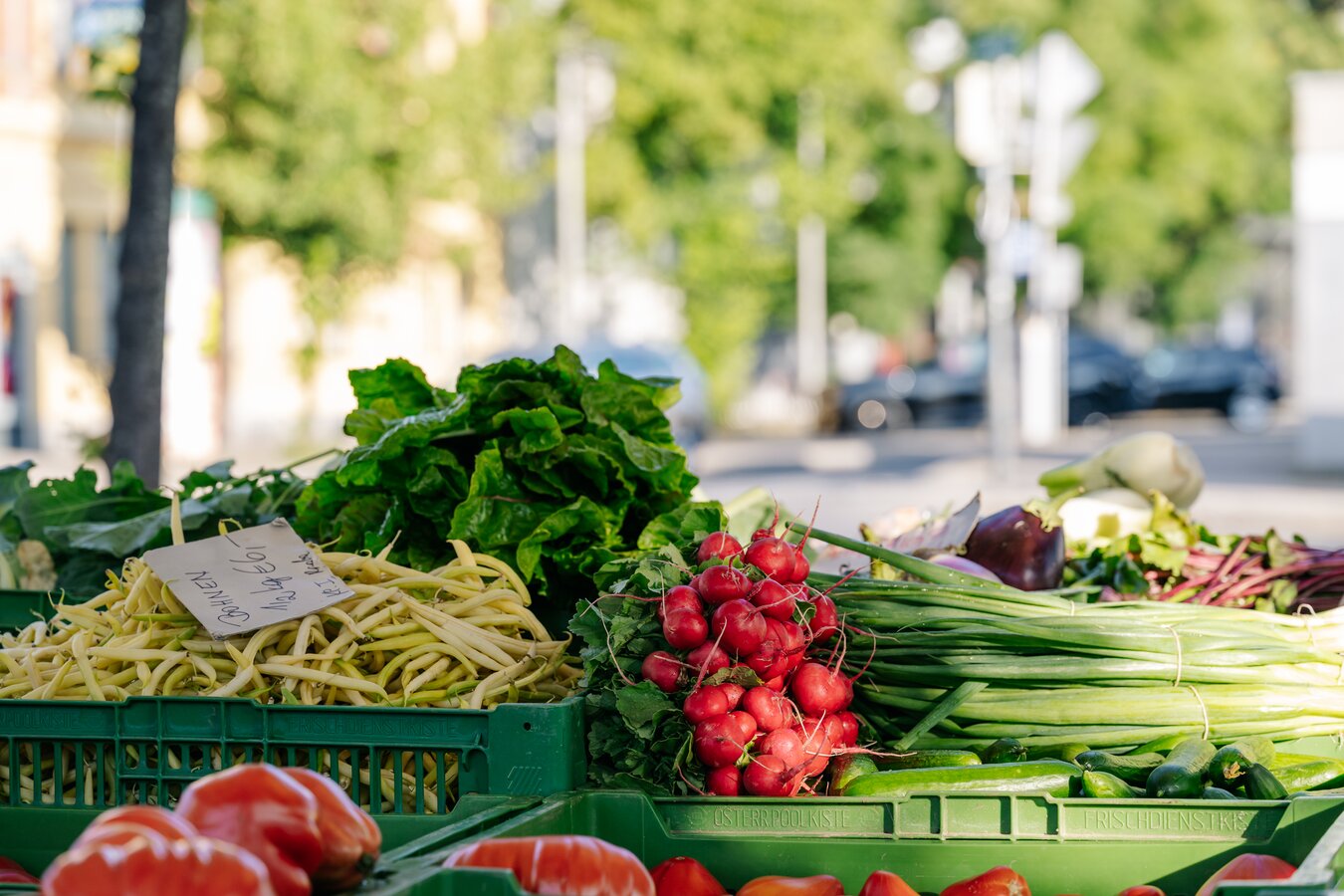
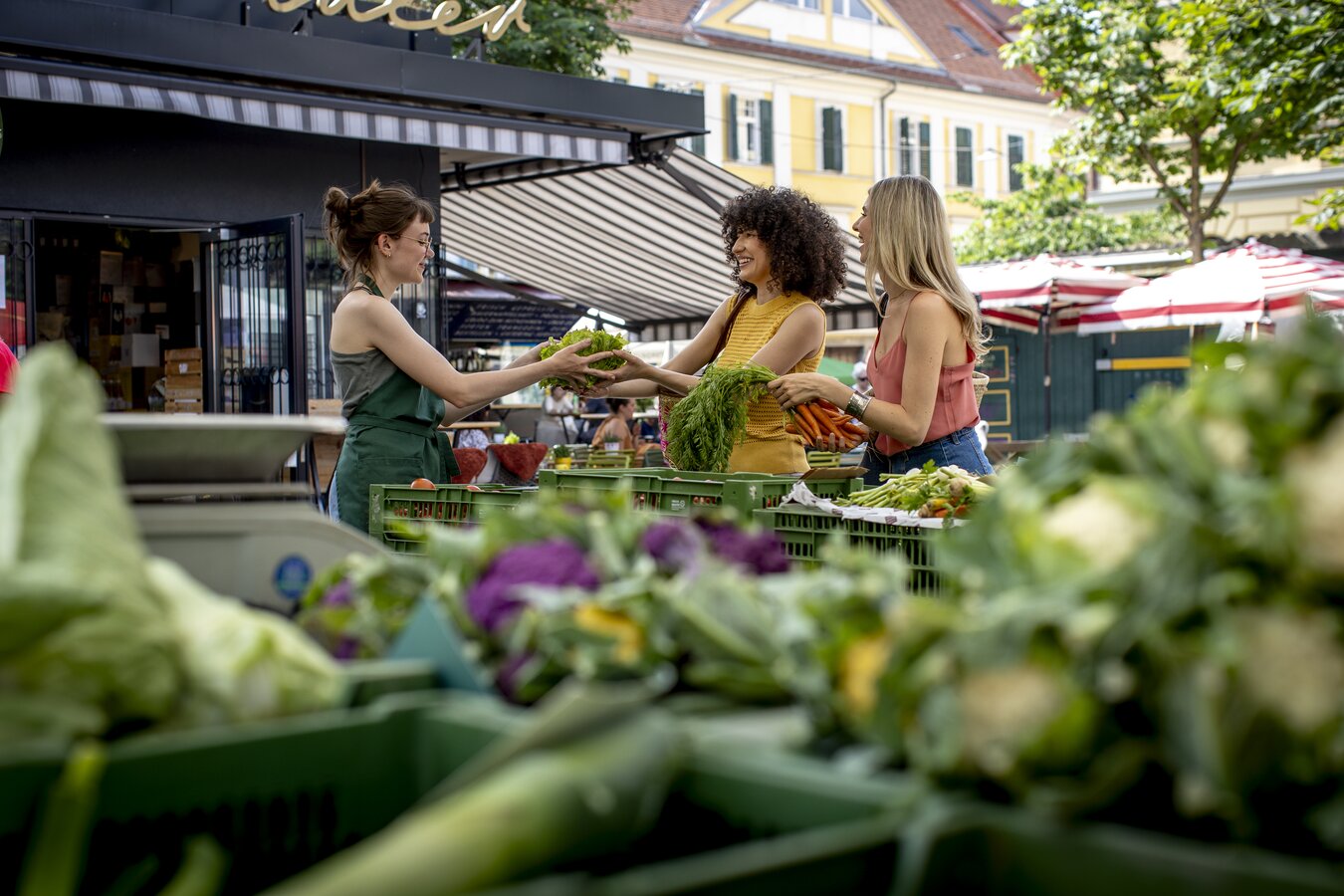
Typical farmers’ markets in Graz include the Kaiser-Josef-Markt and the Lendplatz Market. Here, visitors can find regional products and enjoy an authentic culinary experience.
The markets in Graz are important meeting places for locals and reflect the region’s culinary culture. Fresh fruit, vegetables, cheese, and local specialties are sold directly by producers. The Kaiser-Josef-Markt is especially well known for its wide variety of products, while the Lendplatz Market combines traditional market life with modern gastronomy.
Tip: On our page “Farmers’ Markets in Graz” you can learn more about Graz’s farmers’ markets and discover where to experience regional products up close – from seasonal fruit and vegetables to Styrian specialties. A visit to the farmers’ markets is especially worthwhile in the morning, when the selection is at its best and the authentic market atmosphere can truly be enjoyed.

A foodie insider tip from Nadja A., Graz Region Tourist Information Office
Culinary Delights & Southern Flair in Graz
Regional specialties, foodie hotspots, and a Mediterranean lifestyle
Activities & Excursions in Graz
The most important questions about leisure activities, excursions, family experiences, and things to do in bad weather
The region surrounding Graz offers a particularly diverse range of excursion destinations with plenty of options for half-day and full-day trips. Whether you are interested in nature, culture, or culinary experiences, the Graz Region has something to suit every preference.
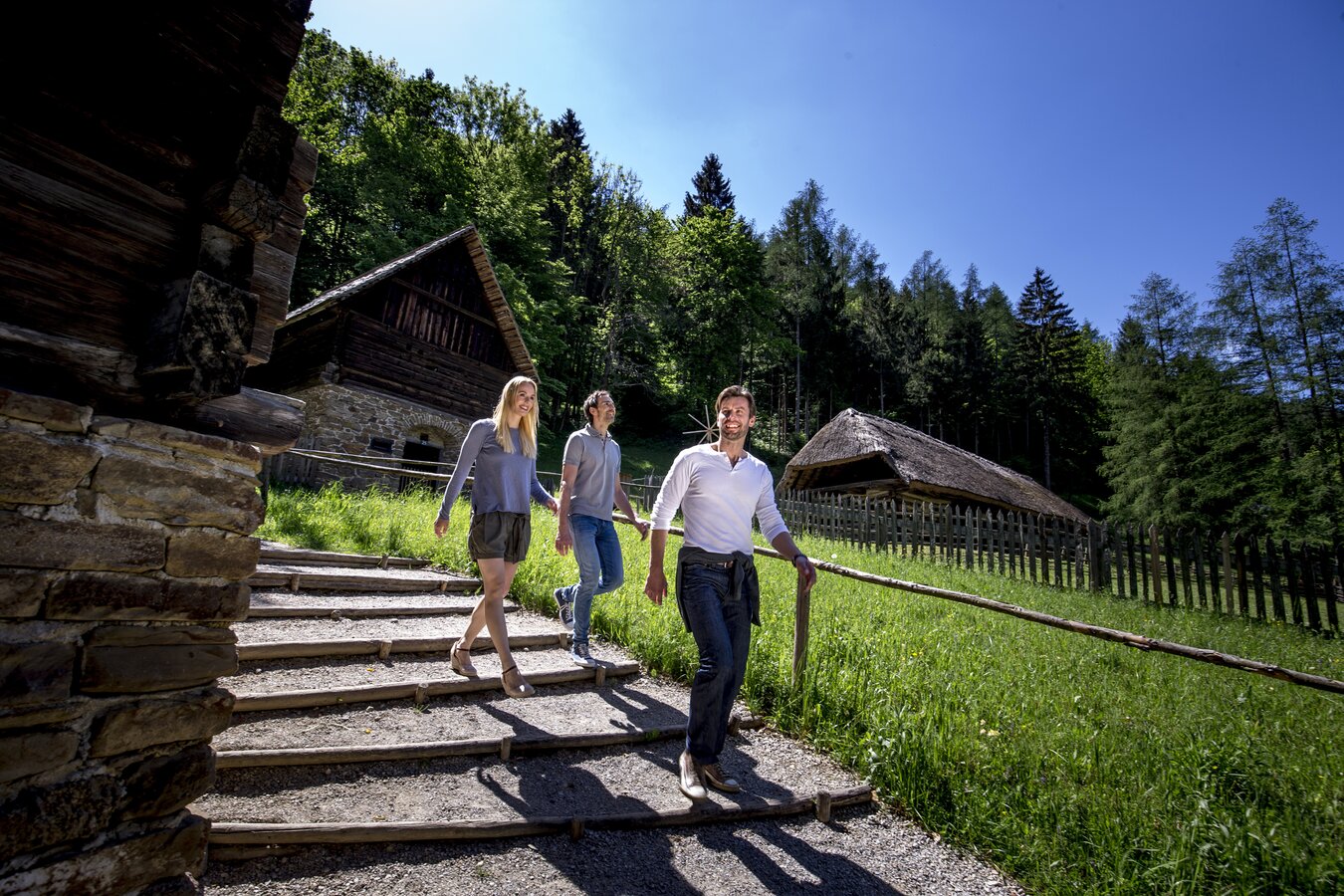
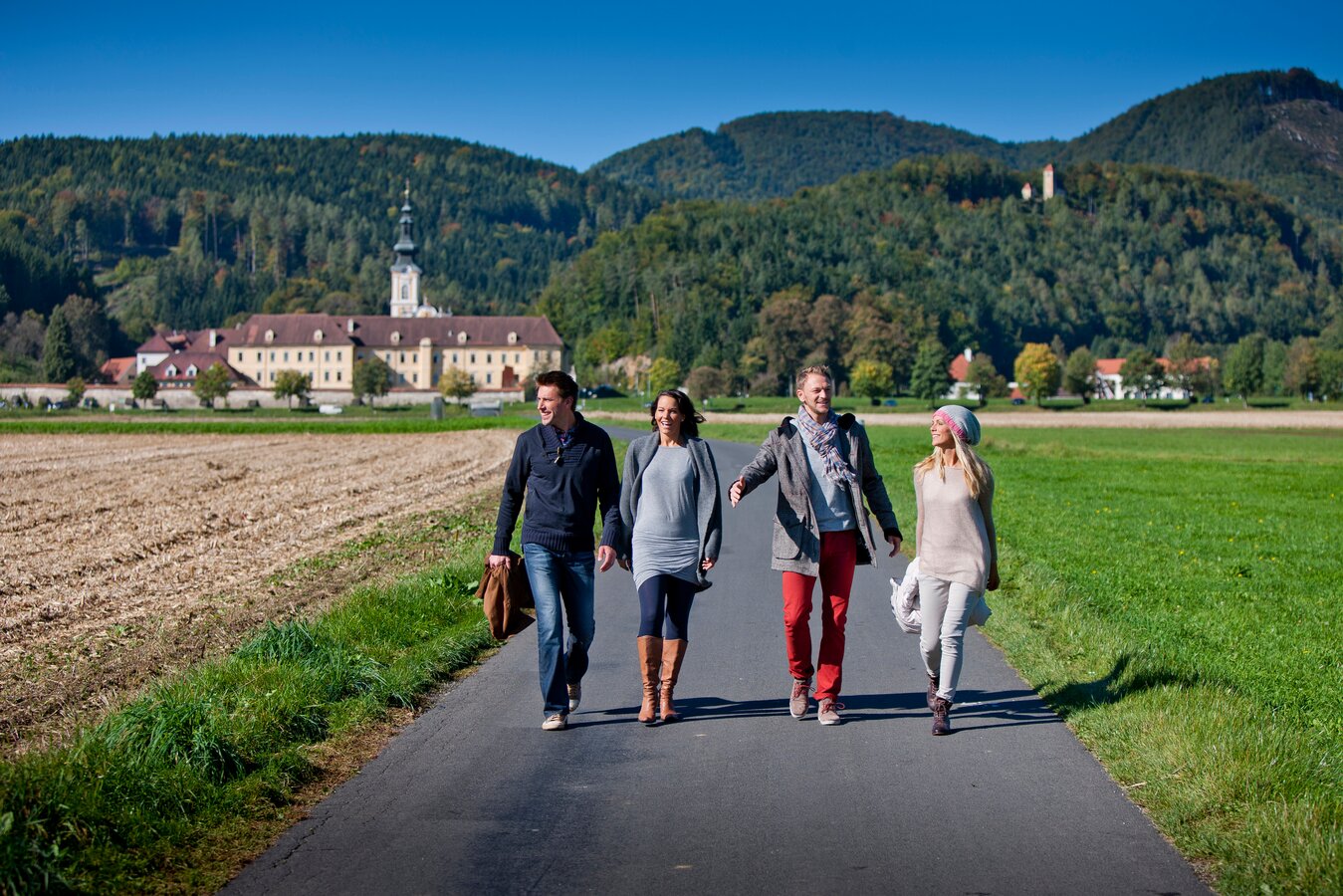
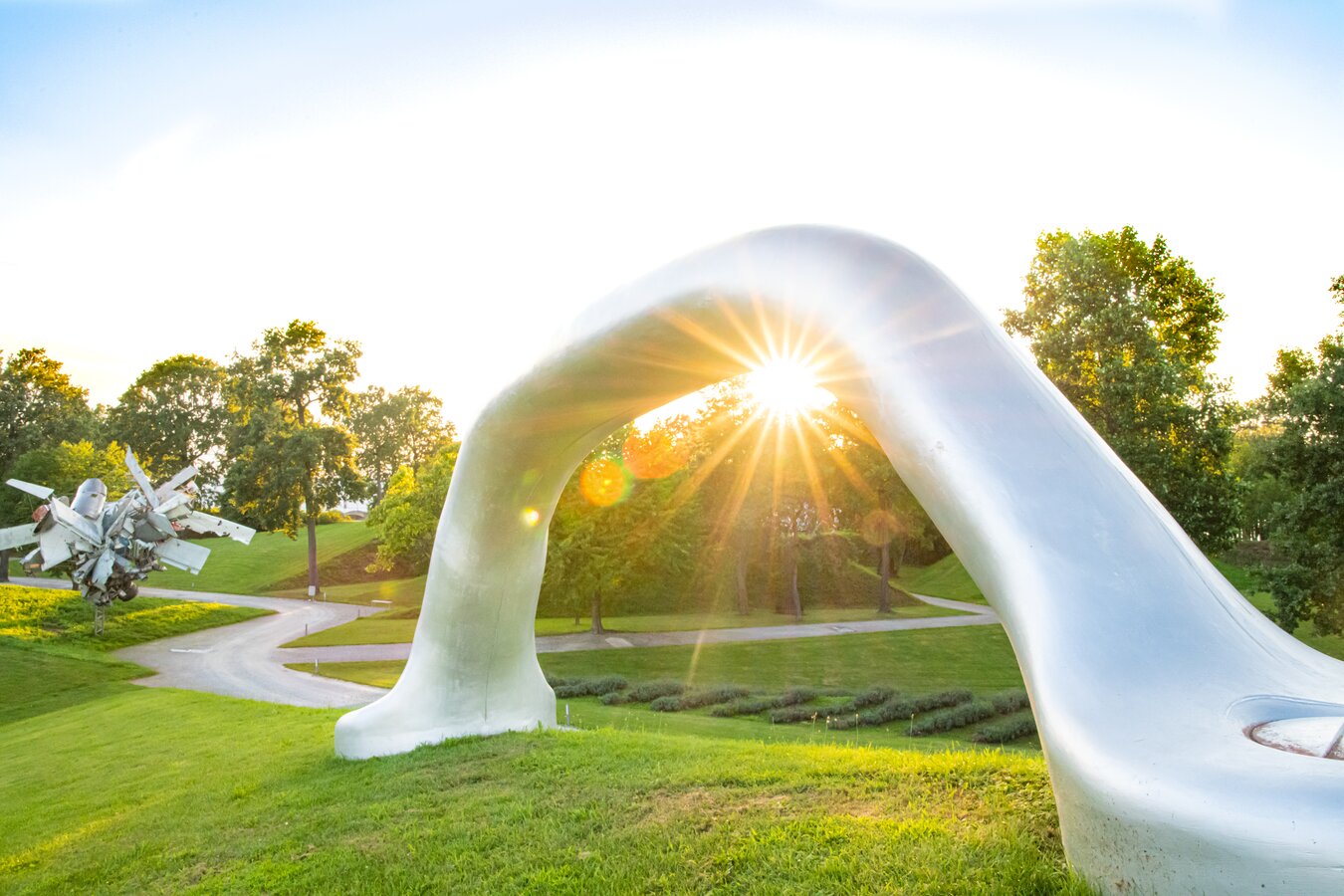
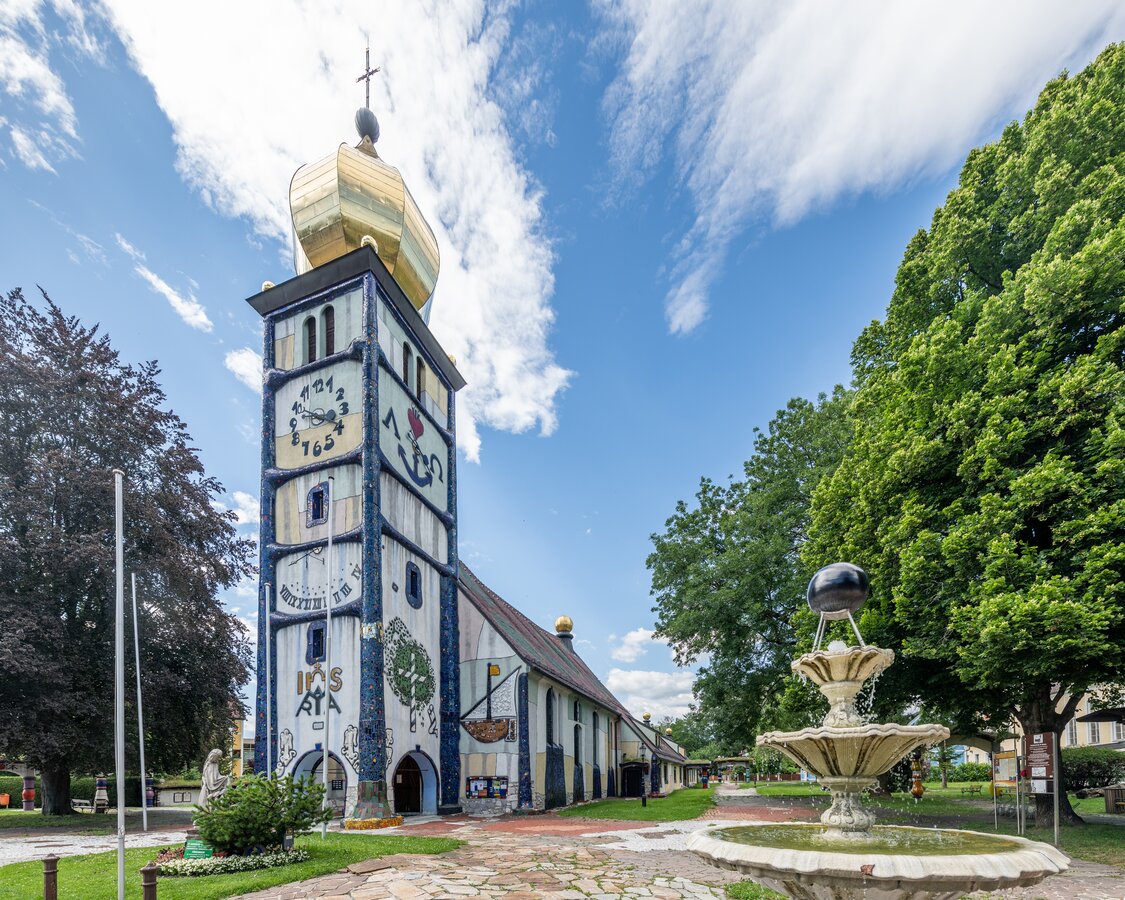
For culture enthusiasts, excursions to Rein Abbey – the oldest still-active monastery in the world – or the Austrian Open-Air Museum Stübing are highly recommended, offering fascinating insights into rural life in past centuries. Additional cultural highlights include the Austrian Sculpture Park, featuring contemporary art in an open-air setting, and St. Barbara’s Church, an architecturally remarkable building.
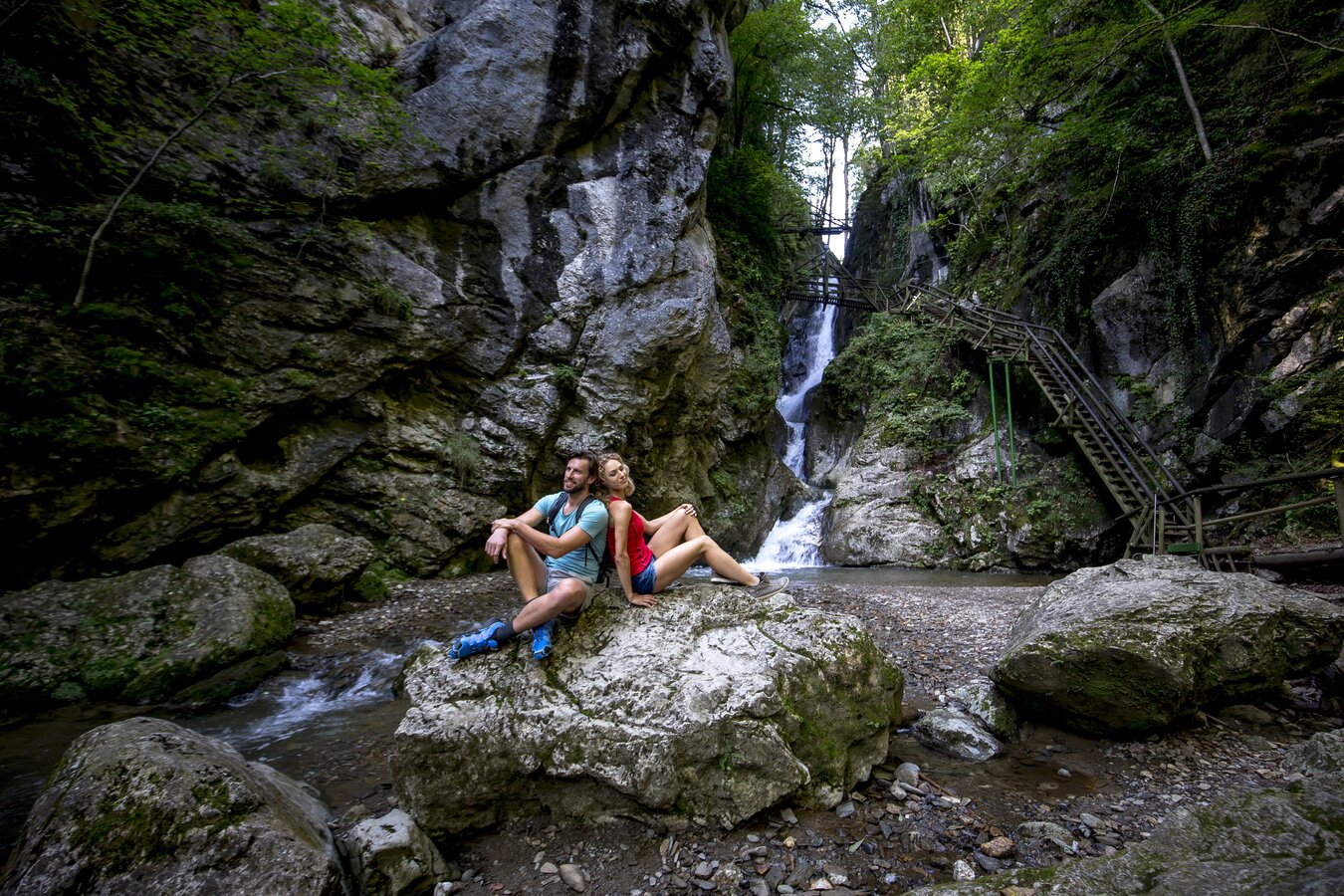
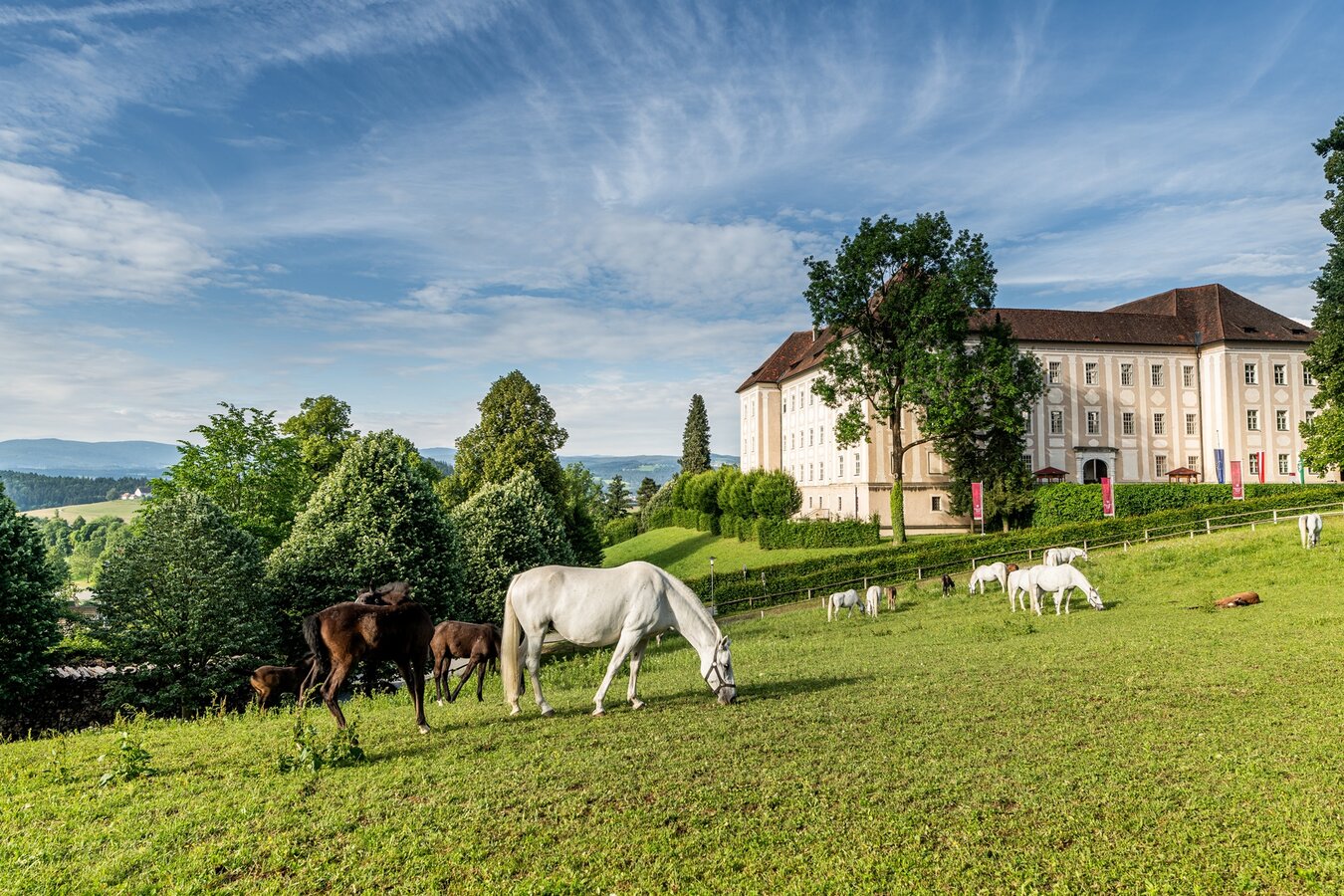
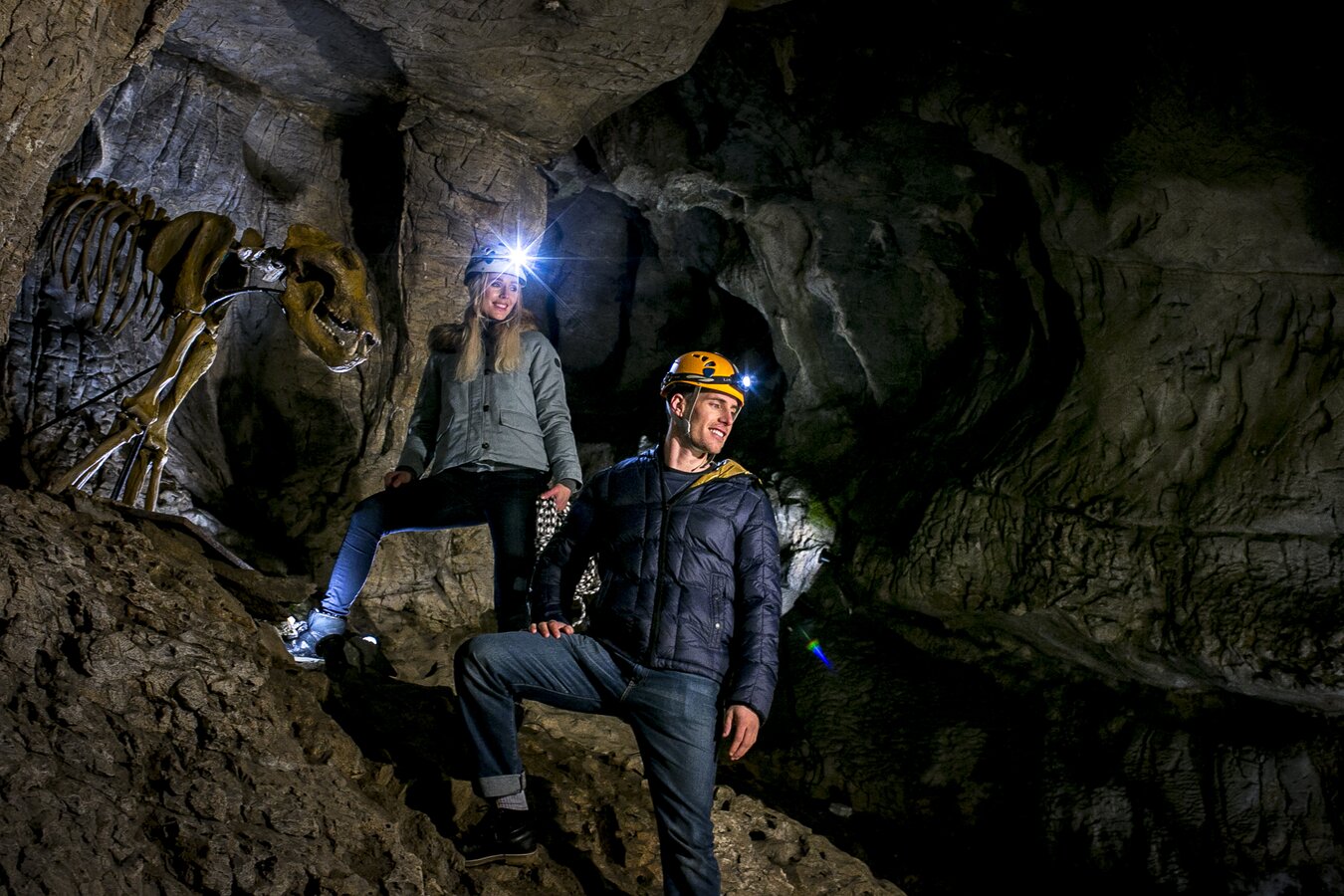
The surrounding area also offers unique natural experiences, such as the Bärenschütz Gorge, the Lurgrotte caves in Peggau and Semriach, an excursion to the Lipizzaner horses in Piber, or the Kesselfall Gorge.
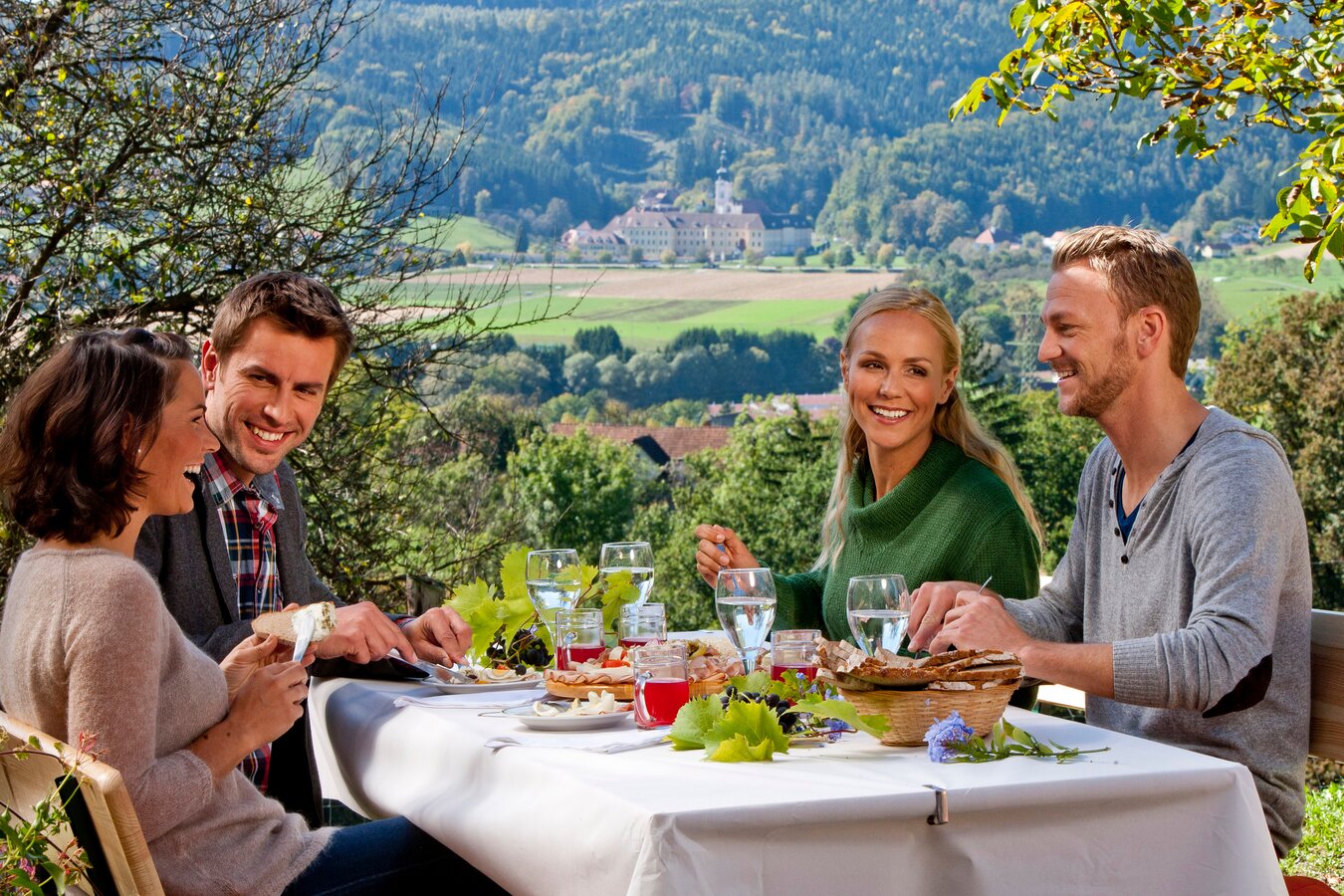
A classic destination is Southern Styria, famous for its rolling hills, wine roads, and traditional wine taverns (“Buschenschänken”). Here, visitors can enjoy regional wines while exploring the beautiful landscape.
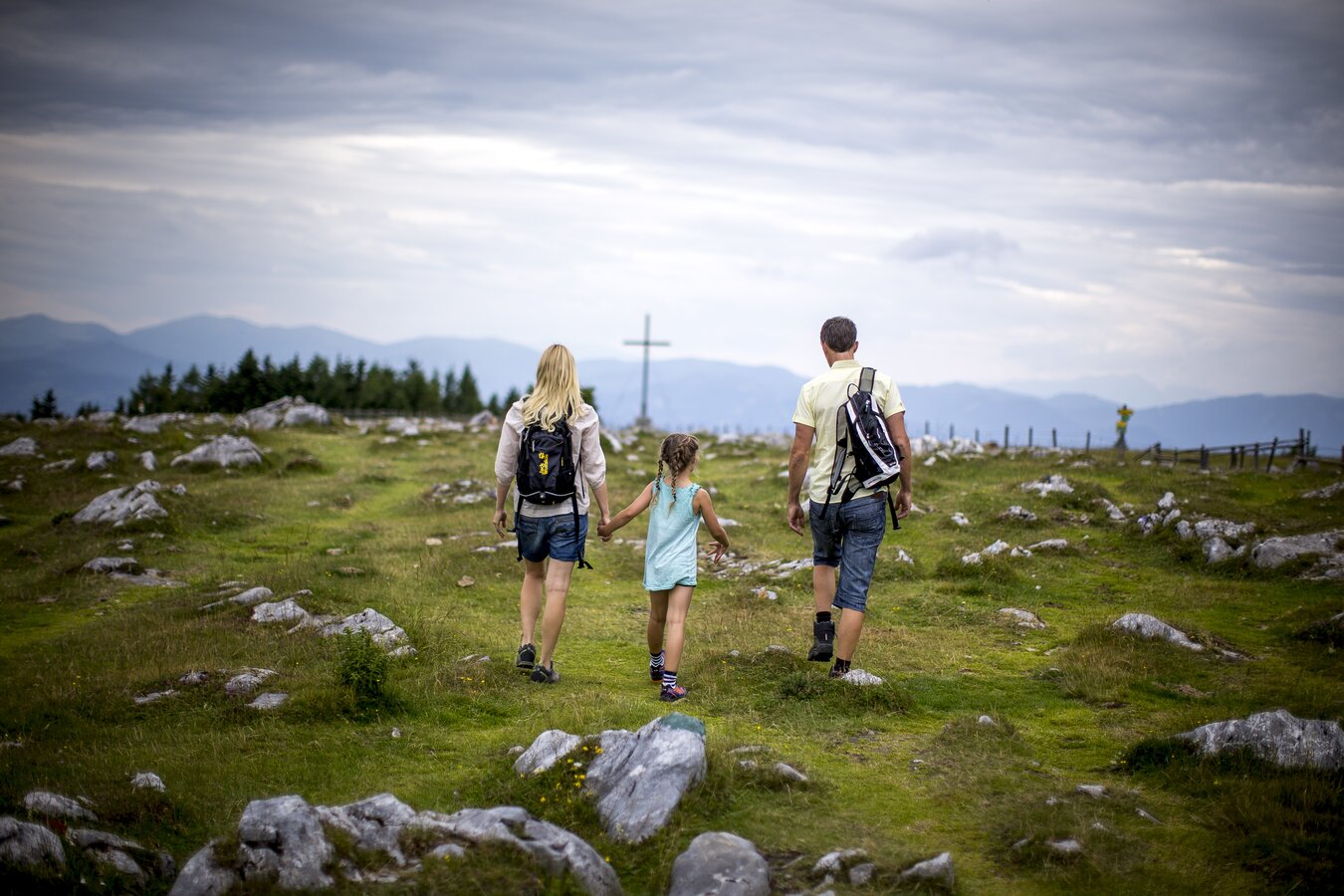
Another popular destination is the Schöckl, Graz’s local mountain, which offers hiking trails, scenic views, and numerous leisure activities throughout the year.
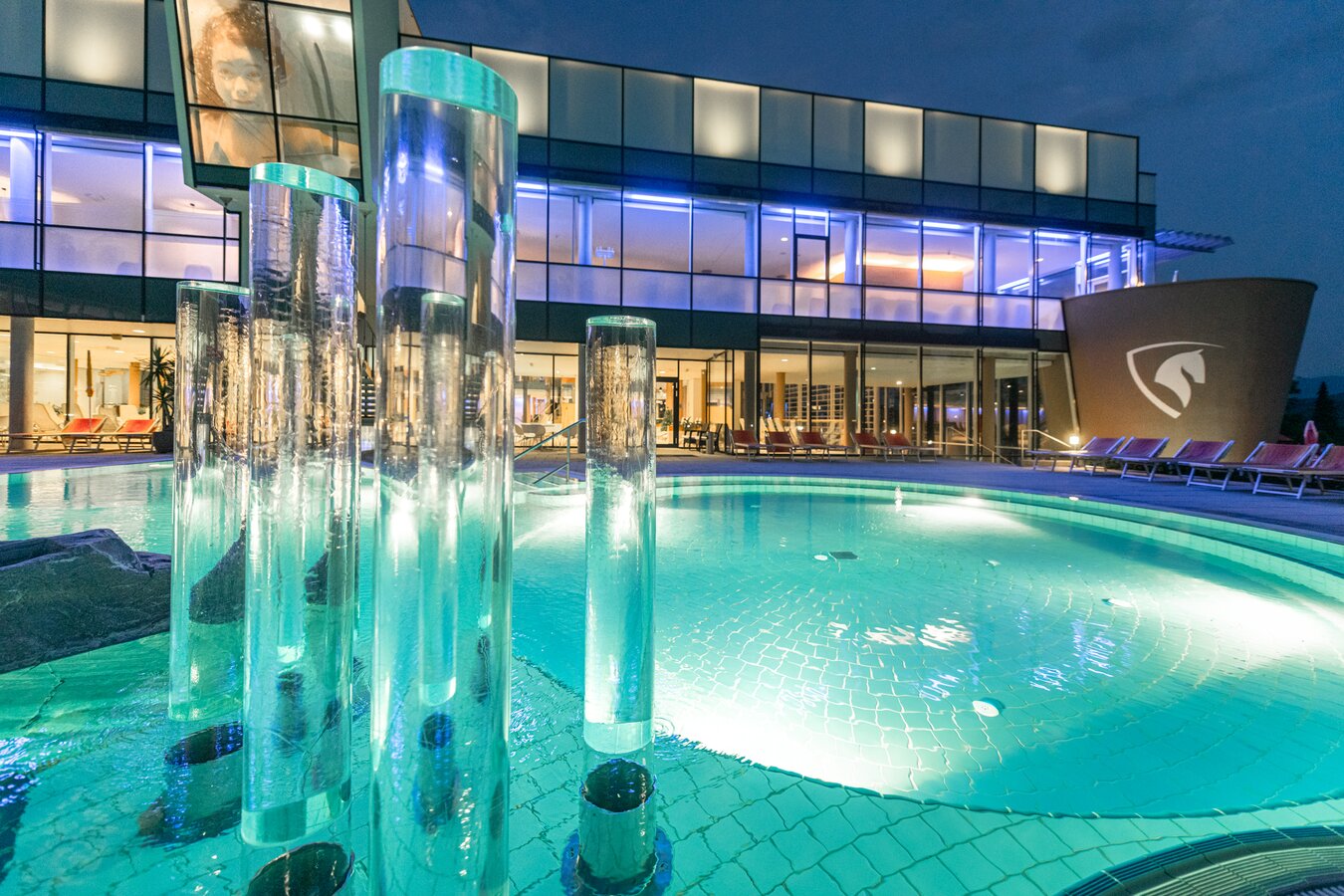
In addition, thermal spas such as Therme NOVA in Köflach, as well as small historic towns, invite visitors to enjoy relaxing discovery tours. Thanks to the excellent accessibility, many of these destinations are perfect for spontaneous excursions.
This makes Graz not only an attractive city break destination, but also the ideal starting point for discovering the diversity of Styria. On our pages “Top Excursion Destinations around Graz” and “Top Excursion Destinations in Styria,” you will find even more inspiration for your trip.
Graz is a very family-friendly city with a wide range of activities for children. One of the biggest highlights is the Schlossberg: besides a playground, families can enjoy attractions such as the Fairy Tale Railway, a 4D cinema, and the spectacular Schlossberg Slide – the longest indoor slide in the world.
The city’s many parks and green spaces also make Graz ideal for families. The Augarten Park with its playground and Augarten Bay, as well as Eggenberg Palace Park with its free-roaming peacocks, offer plenty of space to play and explore.
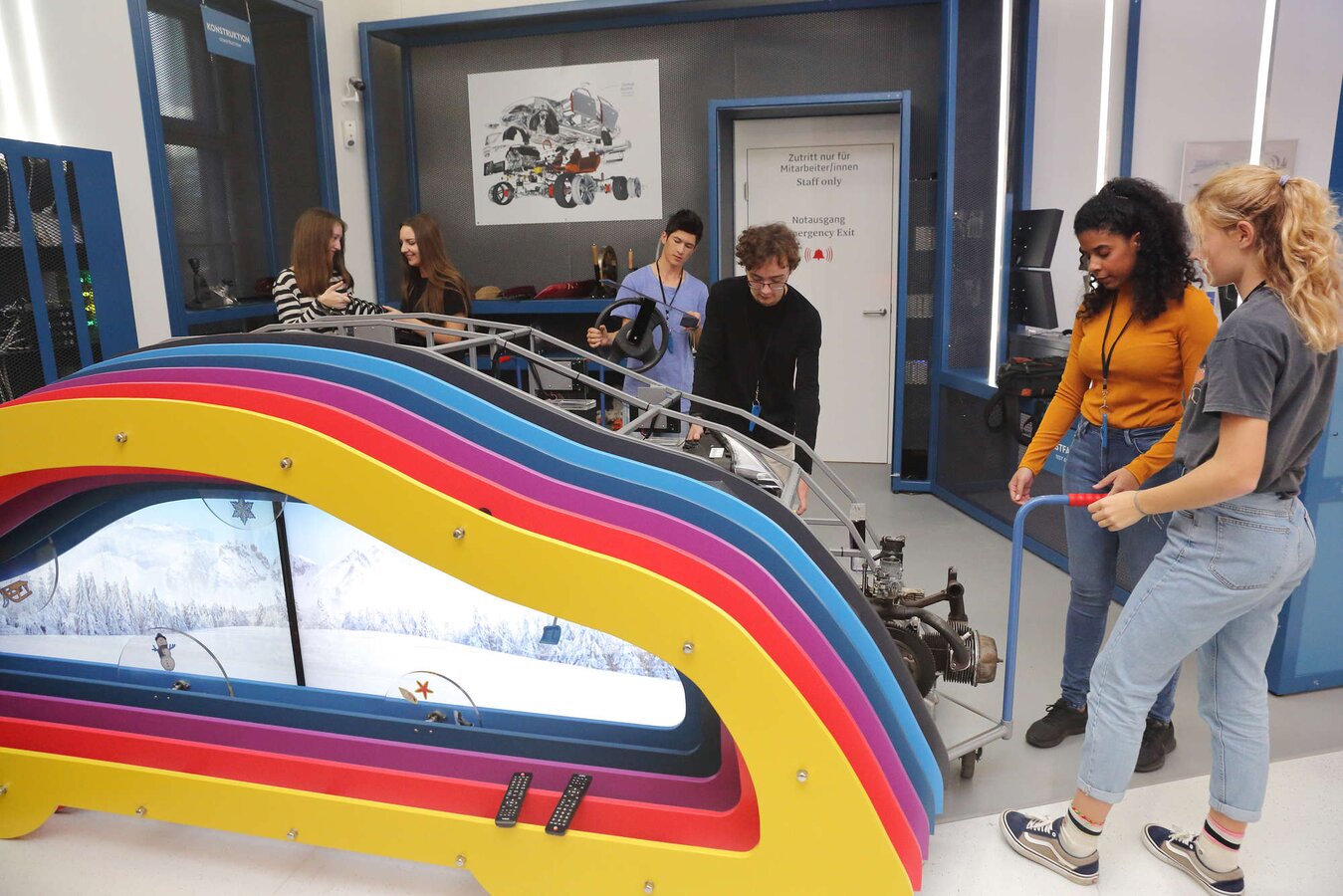
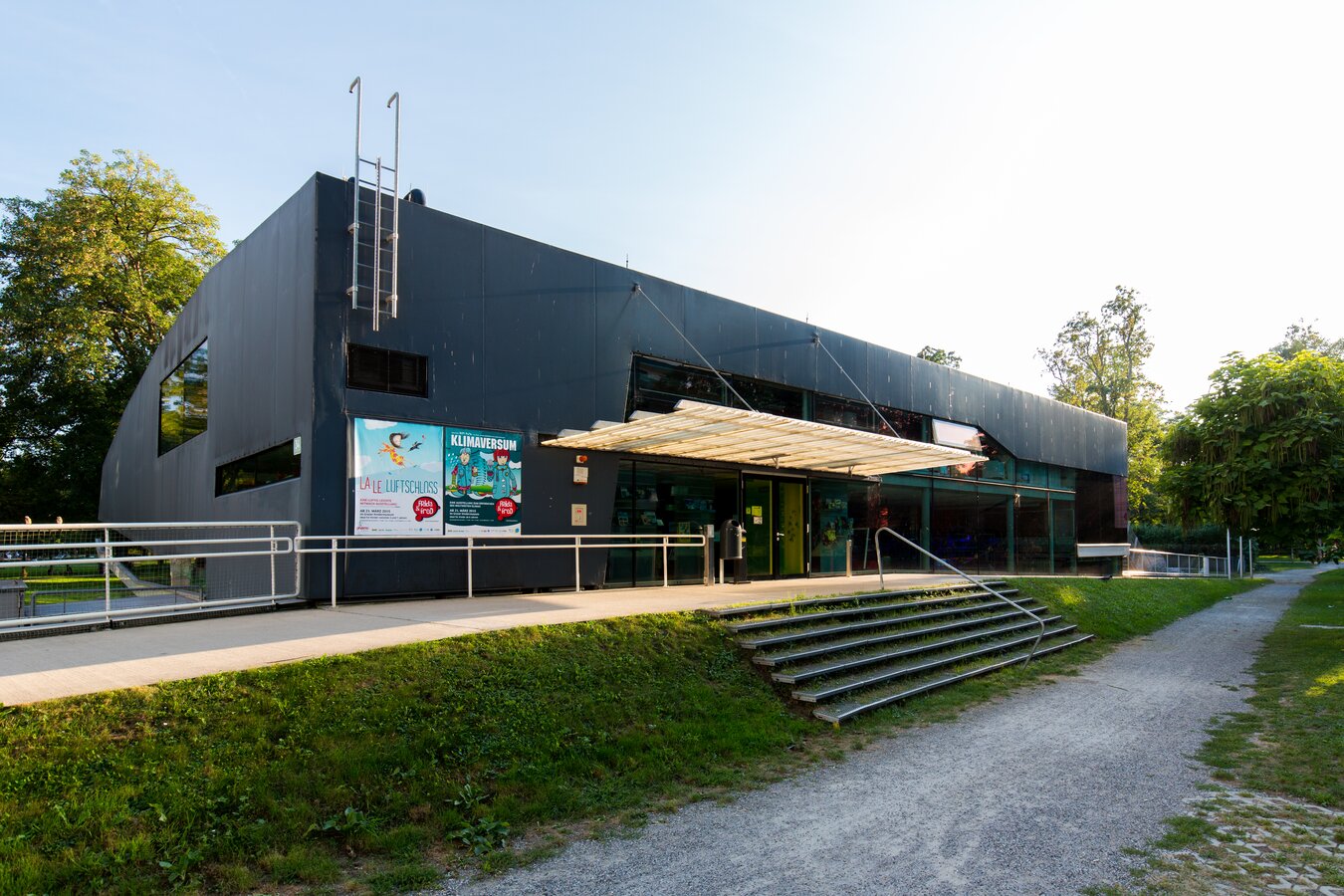
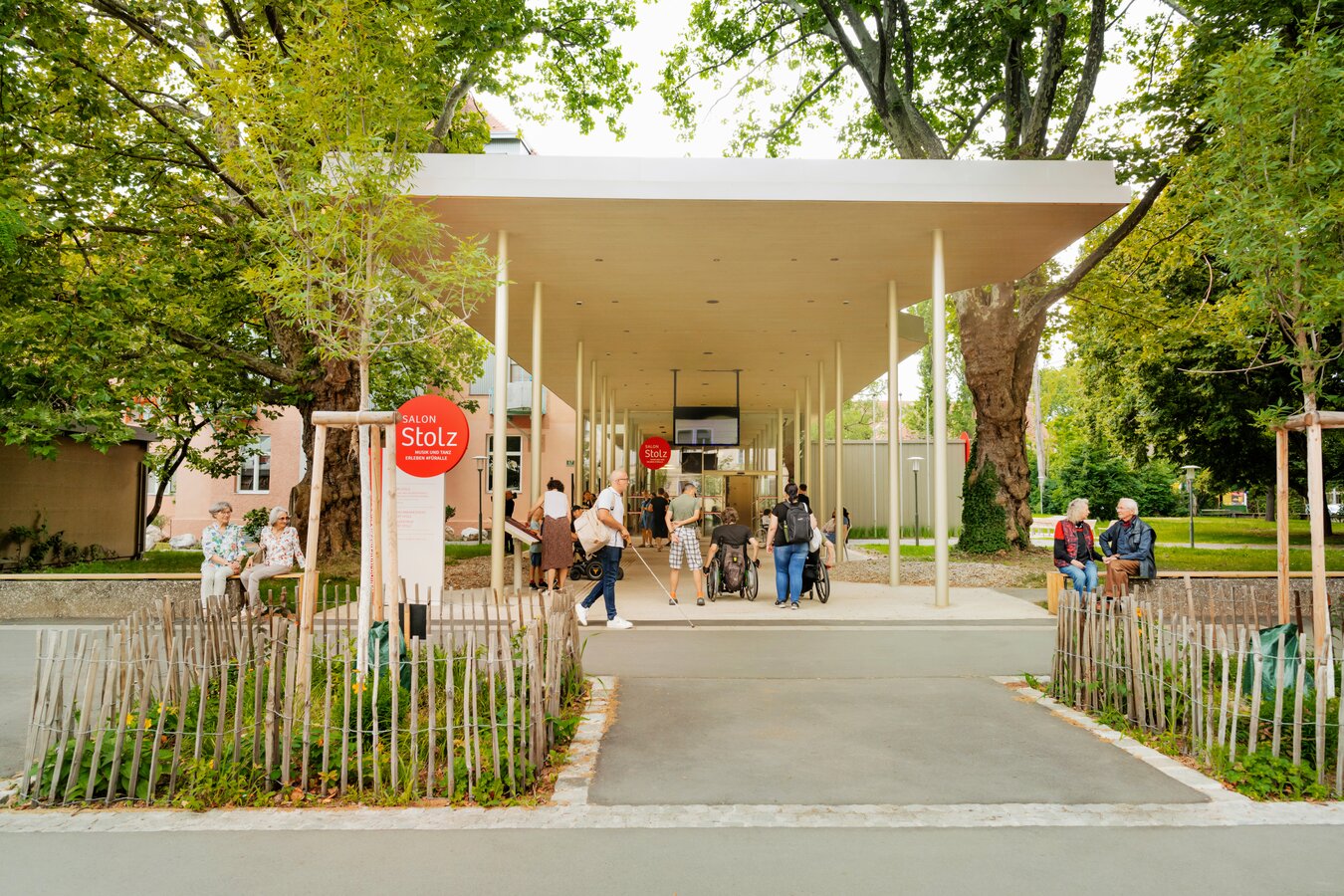
For curious children, there are exciting museums with interactive experiences, such as the FRida & freD Children’s Museum, CoSA – Center of Science Activities, the Natural History Museum, and the Salon Stolz. These museums combine learning and play in an especially engaging way.
There are also plenty of leisure activities in Graz, including climbing parks, mini golf, and swimming pools such as the Graz Auster, ensuring fun and exercise for all ages. Family-friendly cafés and restaurants, as well as events and theatre performances specially designed for children, complete the experience.
Thanks to short distances, excellent public transport, and many car-free areas, Graz is particularly easy and relaxing to explore with children. This makes a stay in the city an enjoyable and varied experience for the whole family. Tip: Graz Card- 2 children under 15 travel free with each Graz Card holder.
On our page “Graz for Families”, you will find many more ideas and tips for things to do with children in Graz.

Experiences & Activities in and around Graz
Leisure ideas for every taste

Plan Your Trip to Graz: Tips & Information
Questions about getting there, the best time to visit, and public transport in Graz
Graz is worth visiting all year round. Every season offers special experiences – from blooming parks in spring to atmospheric Christmas markets in winter.
Each season gives Graz its own unique charm, making the city an attractive destination throughout the year.
In spring and summer, Graz feels especially lively: cafés, markets, and numerous events create a relaxed outdoor atmosphere.
Autumn is an ideal time for culinary experiences, with regional specialties and the Styrian wine season taking centre stage. The landscape surrounding Graz also glows in warm colours and invites visitors to enjoy excursions.
In winter, Graz becomes even more atmospheric with Christmas markets, festive lights, and cultural events. At the same time, the winter months from January onwards offer the opportunity to discover the city’s sights in a more relaxed way and without large crowds.
Yes, Graz is definitely worth a visit. The city offers a unique combination of history, modern architecture, outstanding cuisine, and southern flair.
Graz is considered one of Austria’s most beautiful cities and impresses visitors with its diversity. The combination of a UNESCO-listed Old Town and modern architecture is rare and gives the city its distinctive character. In addition, Graz is known as a Foodie City and offers high-quality regional cuisine.
The mild climate, along with the many squares, cafés, and markets, creates a noticeable southern flair that often feels reminiscent of Mediterranean cities. This relaxed atmosphere makes Graz especially attractive for city travellers.
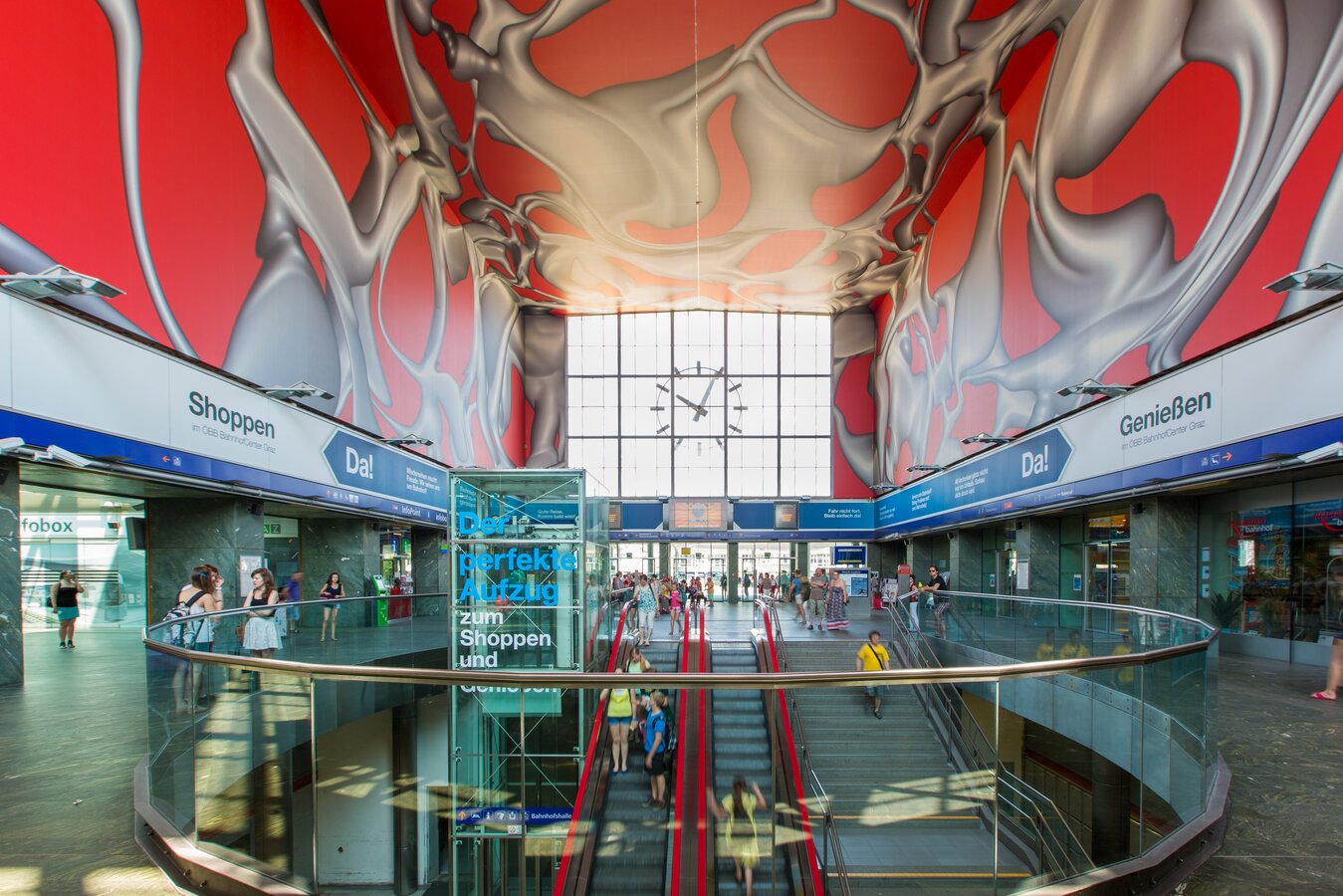
Graz is easy to reach by train, car, and plane. Travelling by train is particularly convenient, as the main railway station is located close to the city centre.
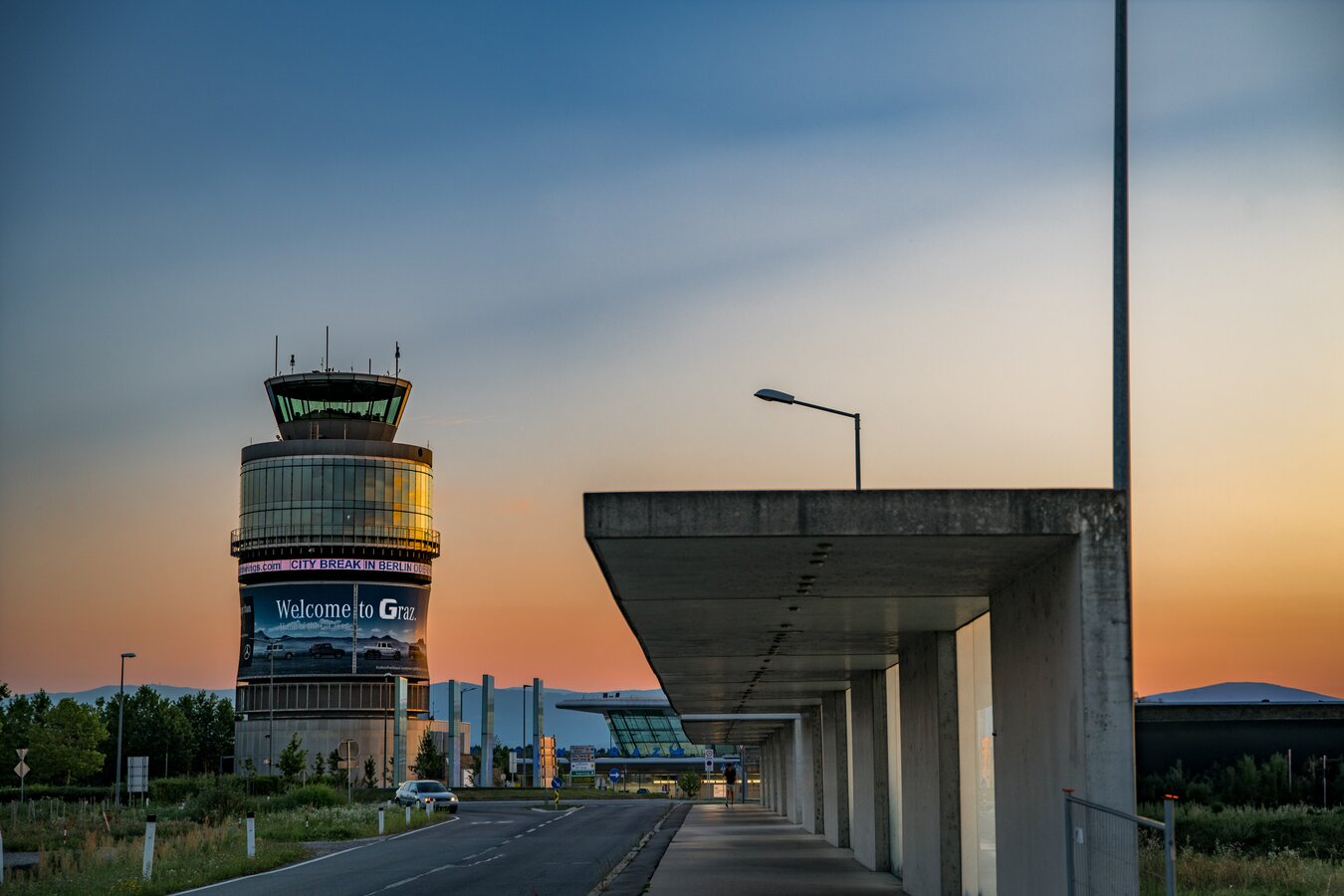
Graz is an important transport hub in Austria. The main railway station is well connected and offers direct train services from many cities. Graz can also be easily reached by car via Austria’s motorway network. Graz Airport provides international connections, especially within Europe.
The best ways to get around Graz are on foot, by public transport, or by bicycle. The city centre is compact and very well connected.
The Old Town can easily be explored on foot, which makes Graz especially pleasant for visitors.
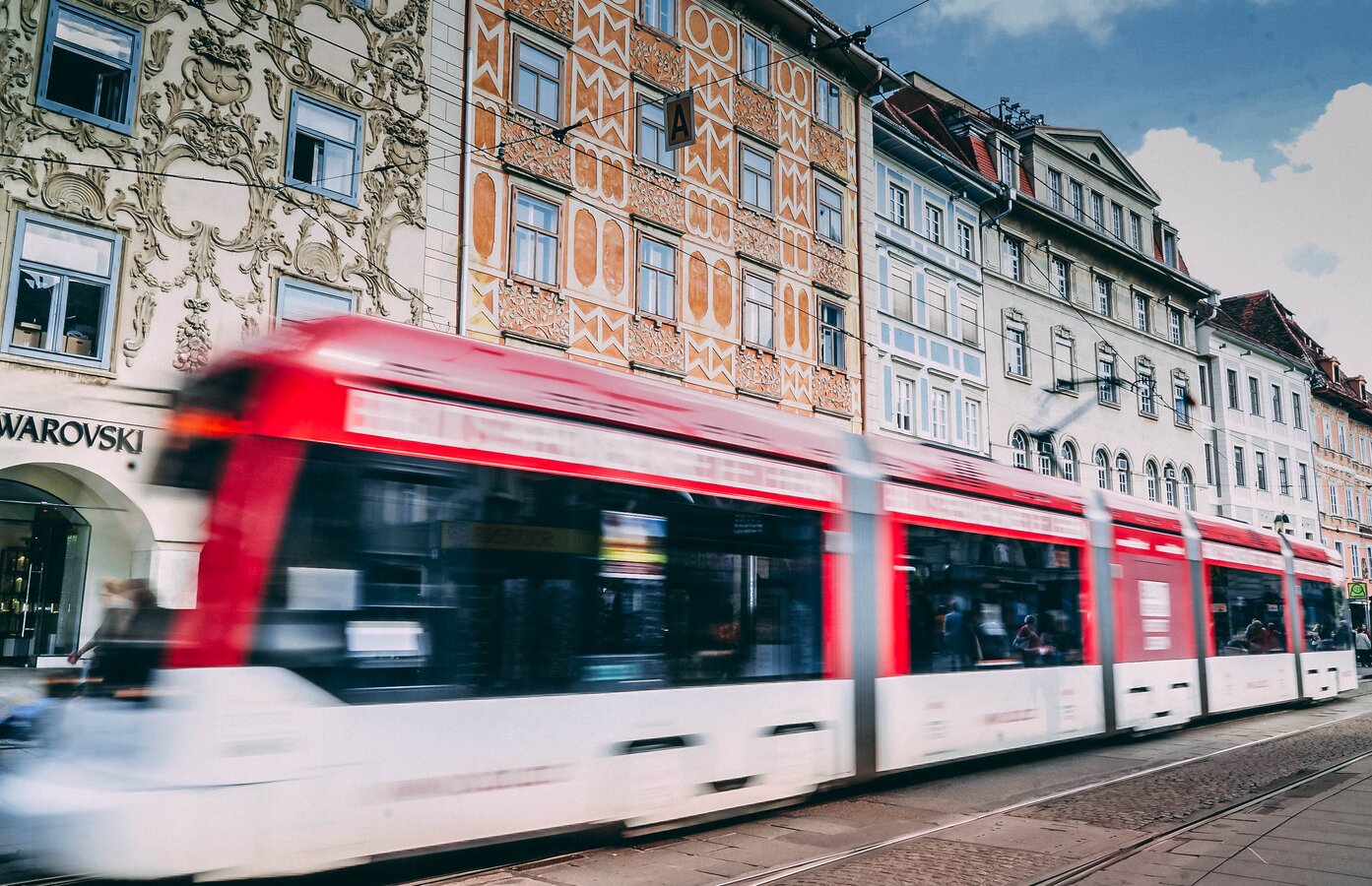
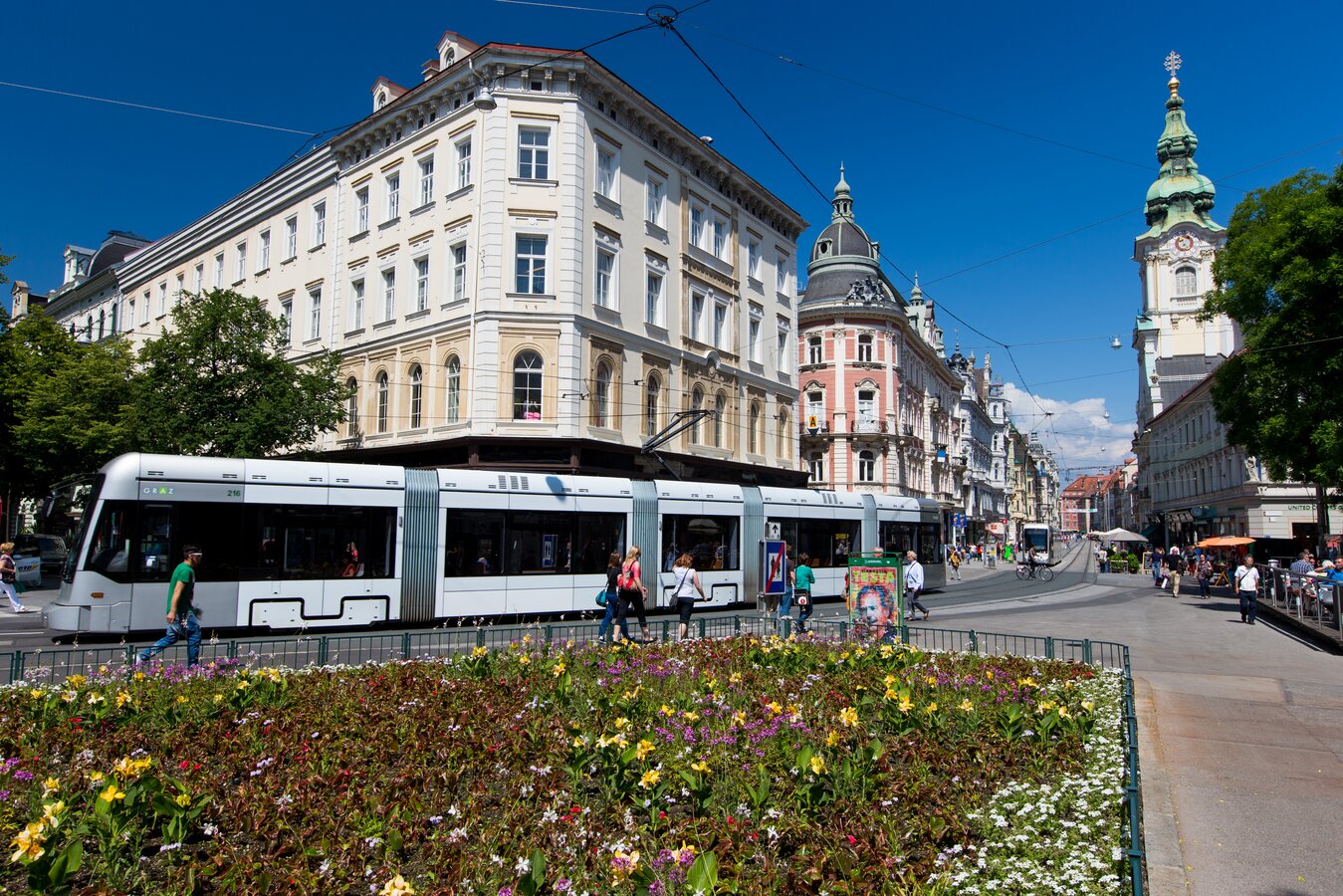
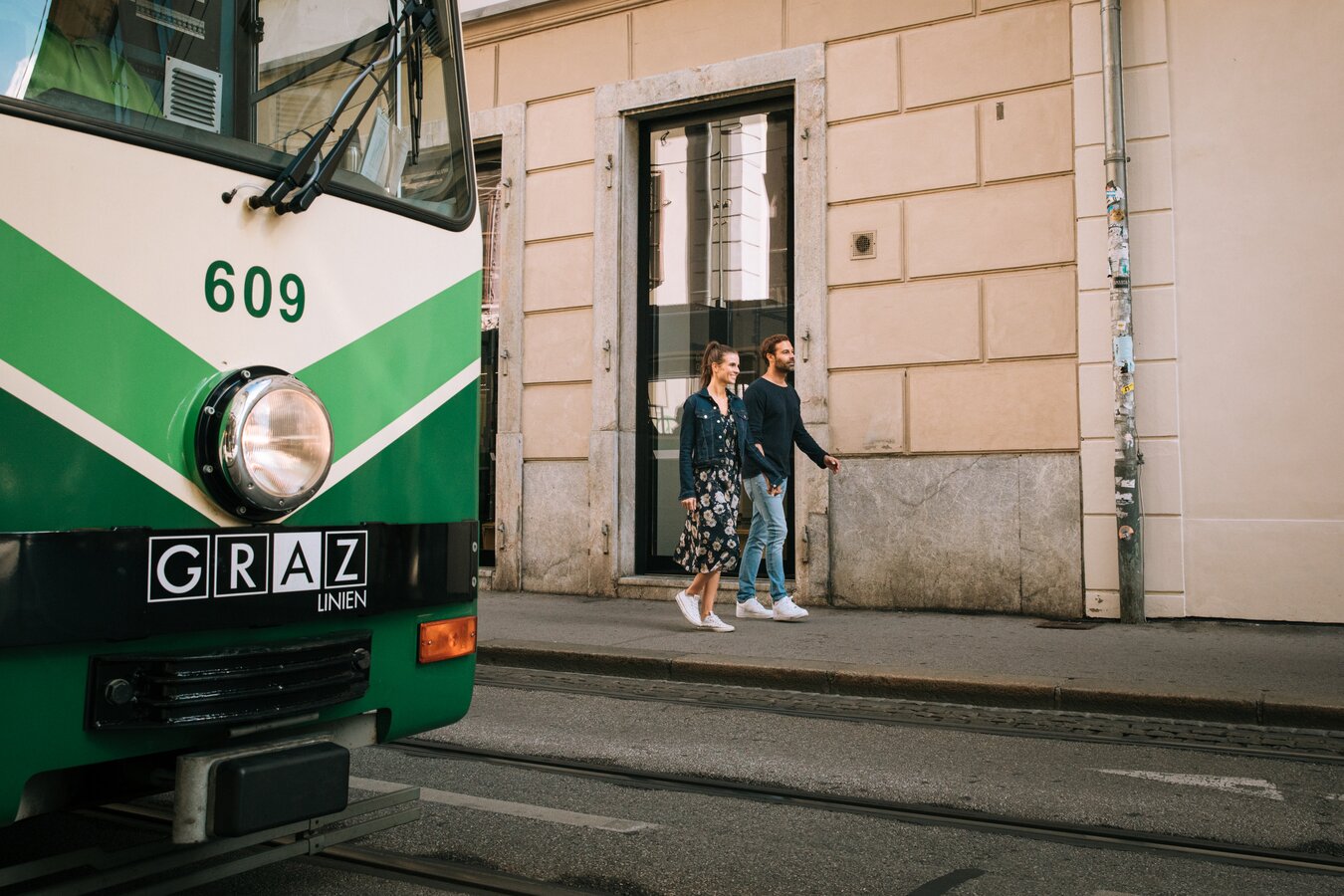
Trams and buses connect all major districts of the city. One special feature is the so-called “Altstadt Bim”: within the city centre, certain tram routes can be used free of charge – ideal for short trips between the main squares and sights.
In addition, Graz is a bicycle-friendly city with many cycling paths, allowing visitors to travel around flexibly.